Editor’s Note: This blog post is part of an ongoing series about SEEDS: Stories of Ethics, Engagement and Dialogue in Science, a ComSciCon project funded by the Kavli Foundation and the Rita Allen Foundation. Visit the SEEDS webpage to learn more.
ComSciCon participants know how important it is for scientists to engage with the social side of our science. But most of us also know how hard it is to actually do that, whether we’re trying to put on public-facing events, do participatory research, dive into ethics, or even just publish the results of our science in a place that non-academics might actually read it.
Though academic institutions are getting better about encouraging researchers to engage with the public, they still do very little to actually support researchers doing that work: mentorship, interdisciplinary collaboration, and science communication go unrewarded––and more importantly, unpaid. So how do researchers who care about engaging with the public actually go about doing it?
That’s what SEEDS is hoping to find out. To do so, SEEDS writers are building their skills in writing and interviewing by profiling established academics who’ve forged unique and independent paths into engaging with the social and ethical dimensions of their research. Those profiles will eventually be published as part of a guide for early-career researchers looking to do the same.
The elevent writers participating in SEEDS are all early-career scientists who care about science communication and public engagement themselves. By writing for SEEDS, each writer not only gets to practice their science communication skills, but has the opportunity to personally connect with and interview a more experienced researcher with years of practice doing boundary-spanning work––a rare and exciting opportunity for any early-career researcher.
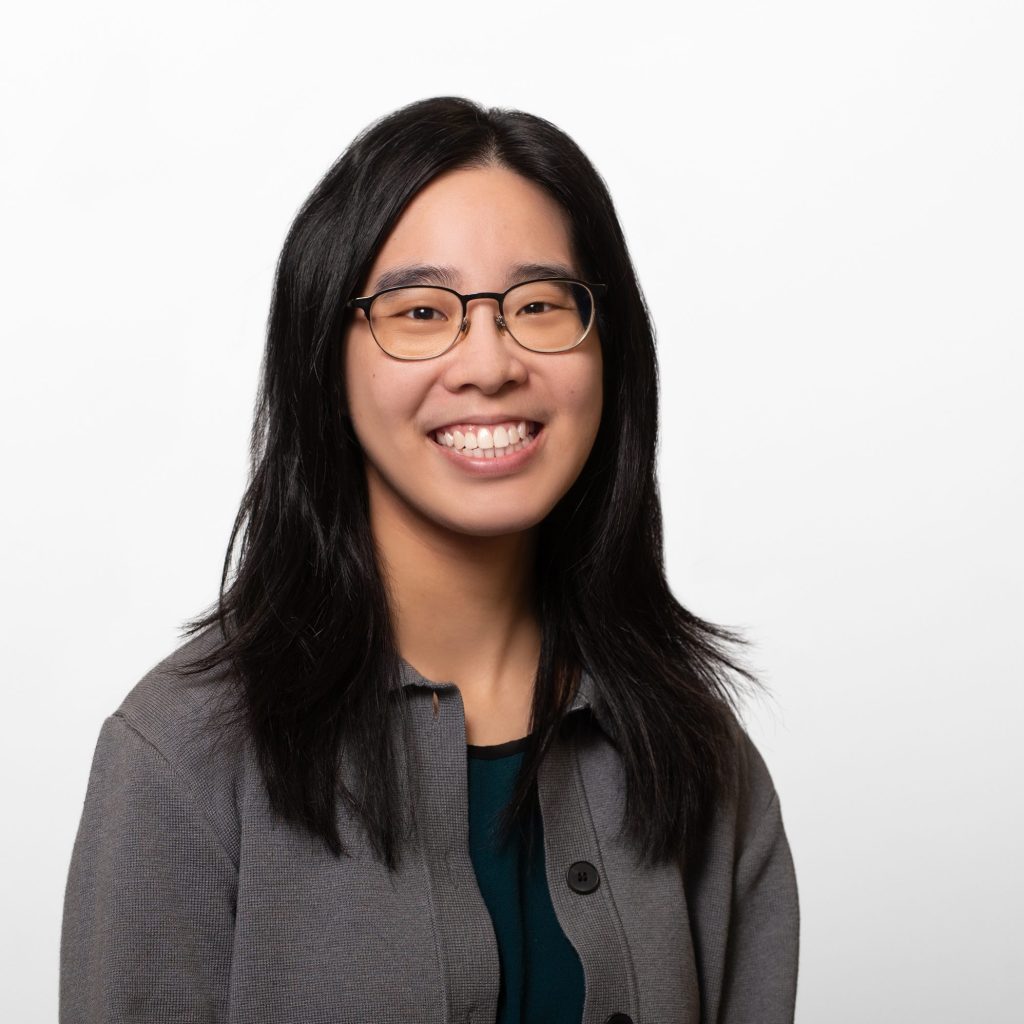
Take Rachel Yang, an Assistant Professor of Electrical Engineering at Olin College of Engineering, who does research with power electronics and energy efficiency. She’s profiling Stephanie Diem, a fusion energy researcher and assistant professor at the Department of Nuclear Engineering and Engineering Physics. On top of her experimental research, Diem also is a U.S. Science Envoy for the U.S. Department of State and co-leads a grassroots public engagement team for fusion-energy development. And that’s only a selection of the work beyond academia Diem does.
“I was so excited to be matched up with [Diem] because she has such a huge resume of activities outside of her technical research, from her science advocacy and diplomacy work through the US government to her research efforts in developing ethical nuclear design practices through community engagement,” Yang reflects.
“As someone who also has a wide breadth of interests… I loved learning more about [Diem’s] journey.”
“I particularly appreciated learning that everything [Diem’s] done started from the small, actionable step of just reaching out to people and making connections,” Yang adds.
“Knowing that makes the idea of starting out in new spaces feel less daunting and gives me encouragement that I too can eventually make an impact in places by just taking one step at a time.”
Christian Cazares, a postdoctoral researcher at the University of California, San Diego, is similarly excited to be connecting with someone in a similar field through being a SEEDS Case Study Writer.
Cazares’s research involves developing biomarkers for neurodevelopmental disorders, which inherently involves careful consideration of ethical implications when working with vulnerable populations, he says. He was paired with Narayan Sankaran, a neuroscientist and ethicist at the University of San Francisco who studies how the human auditory system enables perception of complex sounds – such as music and speech. Sankaran also considers the ethical and societal implications of emerging neurotechnology like brain-computer interfaces as part of his work.
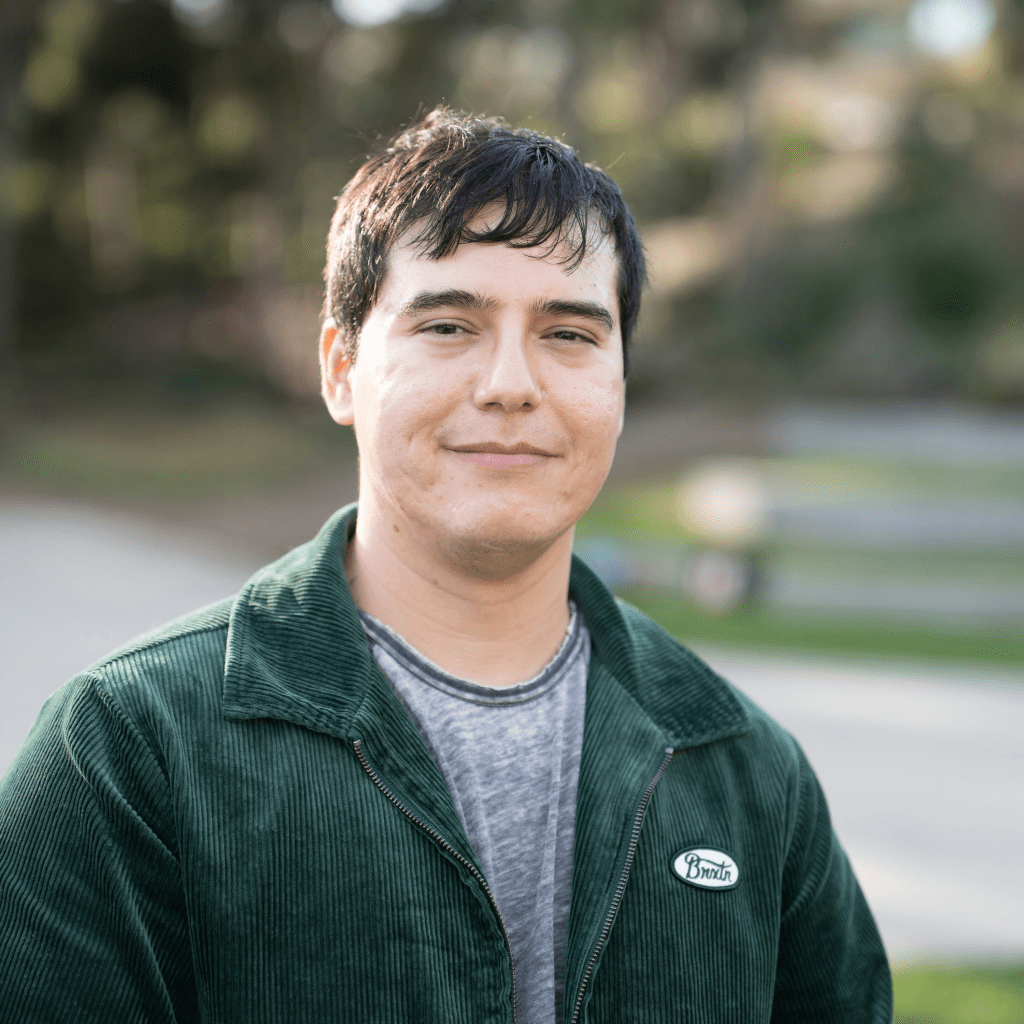
Reflecting on when he learned that he was matched with Sankaran, Cazares says: “I felt pretty excited since we were both computational neuroscientists, so I was curious to learn his views on the ethical implications of neurotechnologies and see if we’ve had similar or contrasting thoughts on some issues.”
The conversation between the two of them was “pretty chill,” Cazares said.
“We had an easy time talking about something we both care deeply about. I did gain inspiration on how to approach conversations about neuro-ethics with the general public and even other scientists, and how not to shy away from having these conversations even if they may be challenging.”
The profiles that Yang and Cazares are writing will appear alongside 9 others in the publication the SEEDS team will compile and publish. To read about more of the case study subjects and the early-career researchers profiling them, visit the SEEDS webpage. And keep checking ComSciConversations for future blog posts about project updates!
 ComSciCon
Leave a comment