
Welcome!
ComSciCon-Triangle 2026 will take place on Saturdays January 17th and January 24th, 2026.
The workshop will be held at the BioLabs NC in Durham, NC.
Application
Applications for ComSciCon-Triangle 2026 are now closed.
Organizers
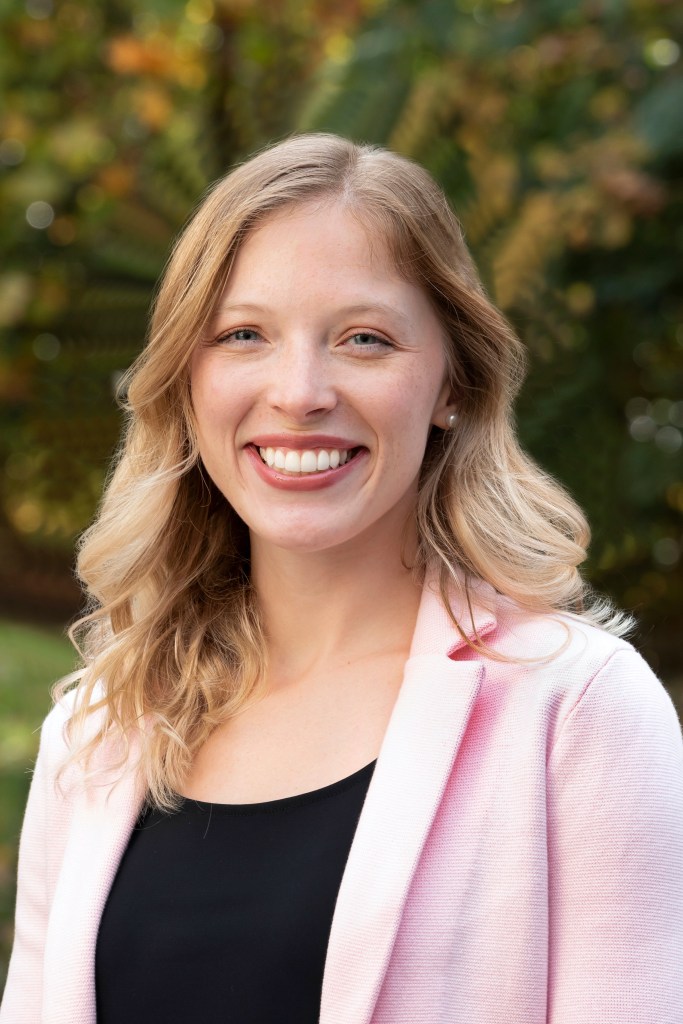
Hannah Kania
Chair
Hannah Kania is a fourth-year Ph.D. student at Duke University, where she works in speciation biology. Her current research is on the mouse lemurs of Madagascar! She is passionate about science communication and has engaged in numerous science dissemination initiatives throughout her career. Her portfolio includes a range of art and written works. Outside of science, she is an avid potter, enjoys running, and loves to explore the outdoors. You can view her portfolio at http://www.hannahpkania.weebly.com
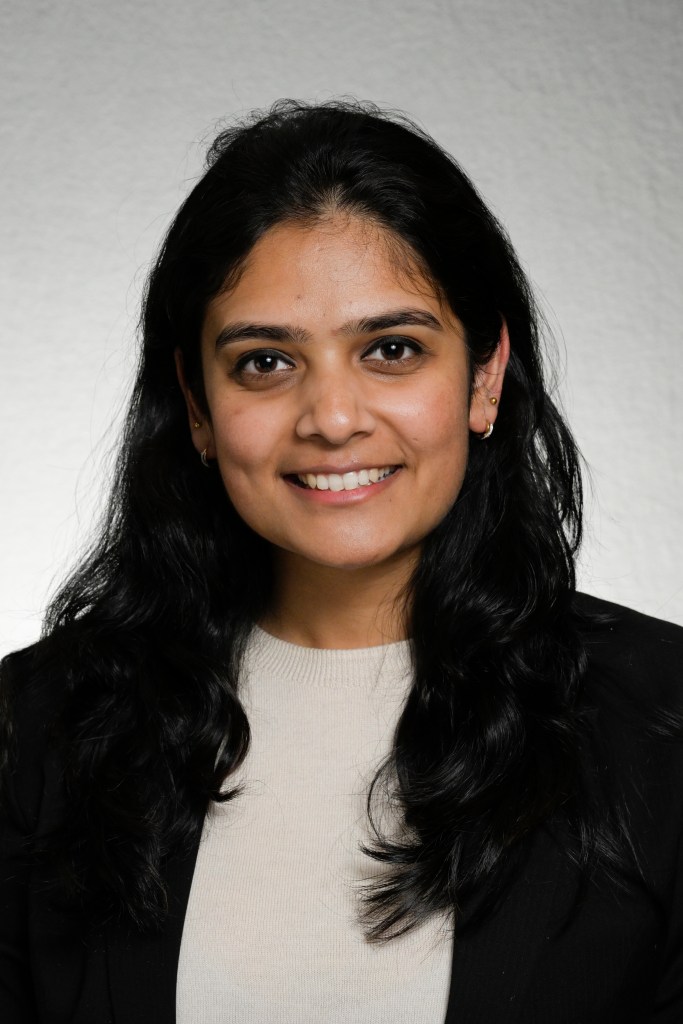
Anvita Kulshrestha
Chair
Anvita Kulshrestha (she/her/hers) is a Genetics and Genomics PhD candidate at Duke University. Her broad research interest lies in understanding complex disease genetics through computational approaches. Specifically, she is looking to identify genetic modifiers of Sickle Cell Disease. In addition to her research work, she is involved with many graduate student organizations and professional societies. In her free time, Anvita enjoys making art and doing calligraphy!
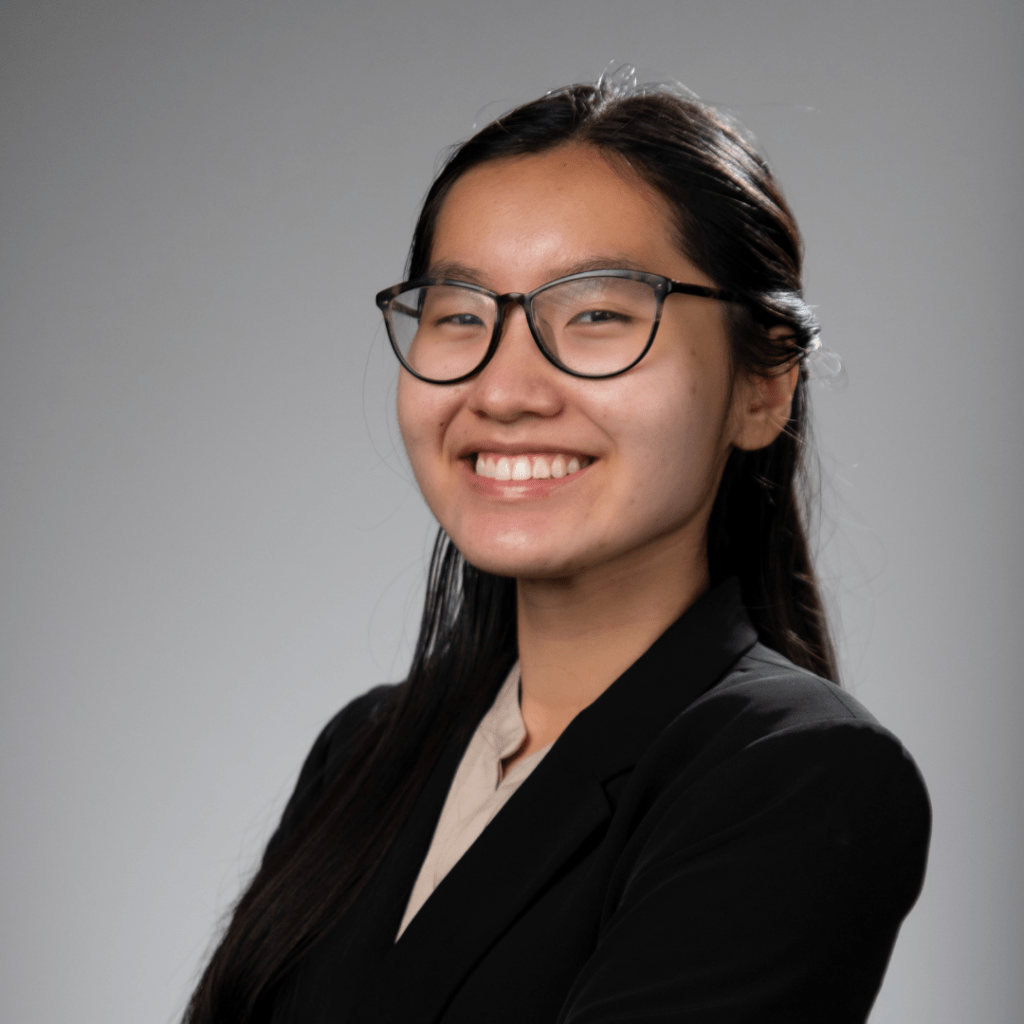
Quyen Nguyen
Panel Assistant
Quyen graduated with a Bachelor’s in Biochemistry from the University of Florida, where she previously studied the pathogenesis of norovirus under Dr. Stephanie Karst. She’s now a second-year PhD student at Duke University in the lab of Dr. Michael Boyce, where she is investigating the role of glycosylation in regulating protein trafficking and mucosal barriers. From her 4+ years in biomedical research and informal experiences as an educator, Quyen believes in the importance of science communication and is actively seeking such opportunities in the Triangle as well as beyond.
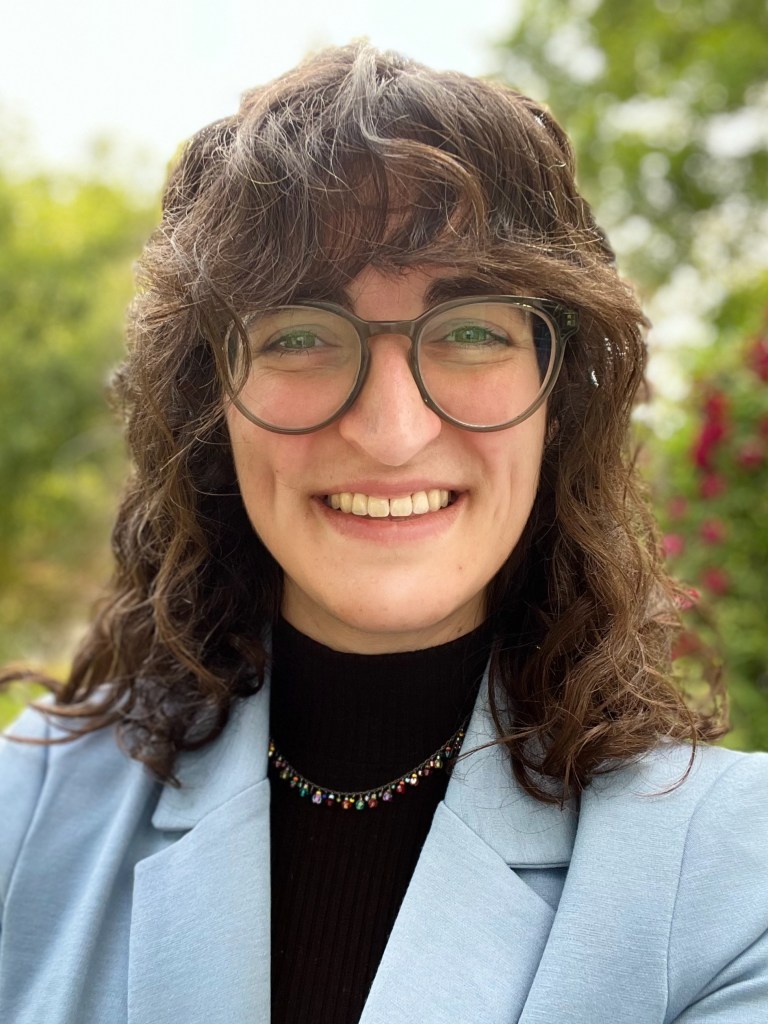
Abby Poff
Fundraising Lead
Originally from Nashville, TN, Abby has lived in the Triangle for the past six years while pursuing her doctorate in molecular genetics at Duke University. Her thesis work focuses on changes in stem cell biology underlying the rare neurodevelopmental disorder DDX3X syndrome. Her interest in science communication stems from her work with the DDX3X Foundation, through which she’s shared her research findings directly with the friends and families of those living with DDX3X syndrome. When she’s not in the lab, Abby can usually be found at home, reading or playing a cozy video game, or in her neighborhood, walking her senior rescue dog.
Anicka AbiChedid
Pop talk coordinator
Anicka AbiChedid is a PhD candidate in the Cell and Molecular Biology program at Duke University, where she studies the patterns of changes made in the DNA of cancer cells. Her current work couples this knowledge with an ultra sensitive sequencing method in hopes of improving the early detection of cancer. Anicka is excited by learning and implementing strategies to connect the public with scientific discoveries through written pieces and bite-size talks.
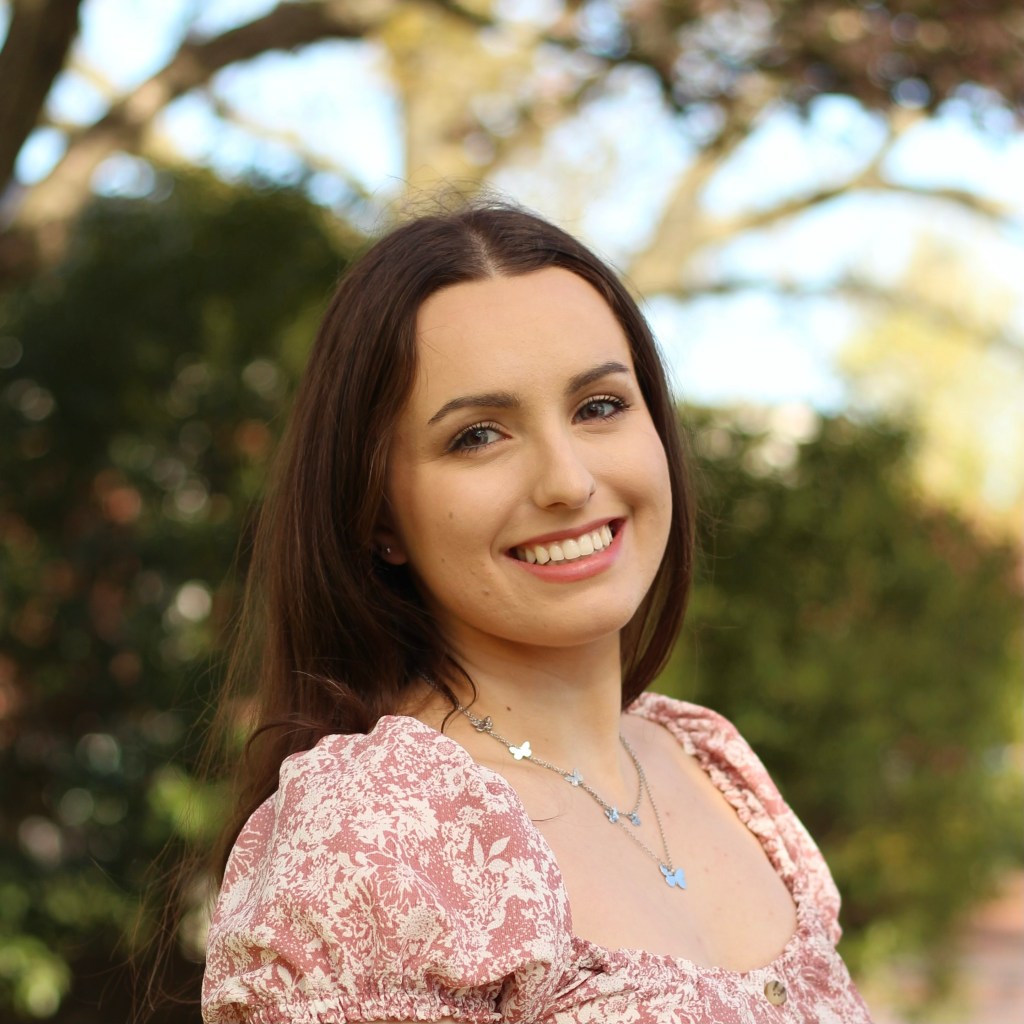
Natalie Rodriguez
Application Review Manager
Natalie Rodriguez is a Partnership Associate with the Albermarle-Pamlico National Estuarine Partnership and oversees communication efforts, stakeholder engagement, and program coordination and evaluation. Before joining APNEP, she worked at RTI International and MDB, Inc., where she supported large-scale training and technical assistance programs for federal partners on topics ranging from environmental toxicology to forensic science. Natalie holds a Master of Environmental Management (MEM) from the Duke Nicholas School of the Environment, with a certificate in Community-Based Environmental Management, and a Bachelor’s degree in Environmental Science and Policy from Florida State University. Outside of work, Natalie enjoys reading, baking, and playing as much tennis as the weather allows.
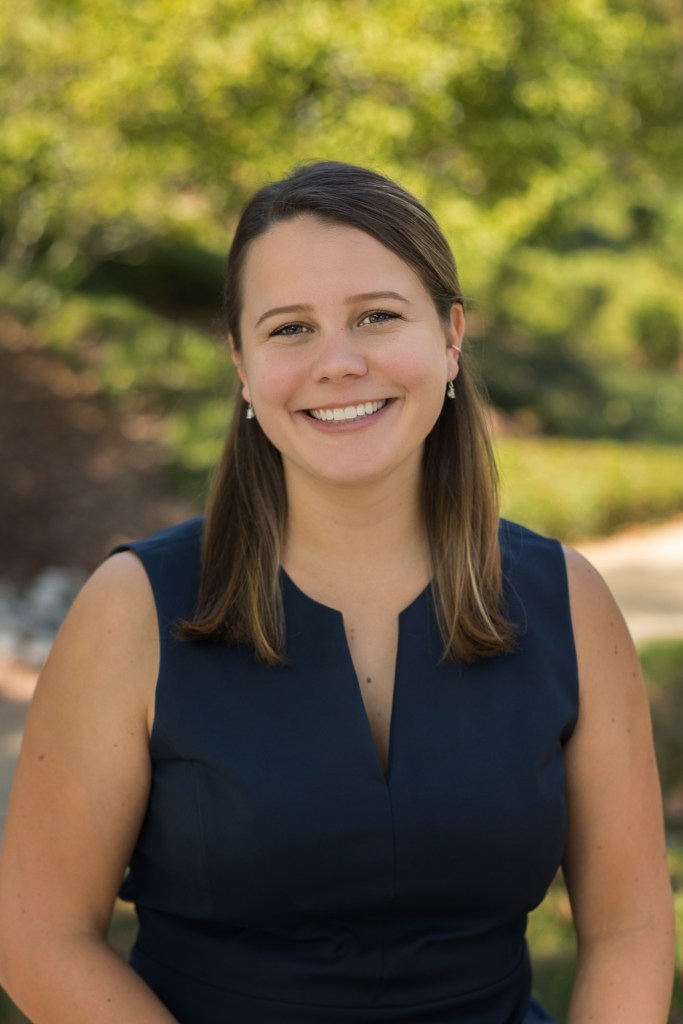
Aradhana
Fundraising Assistant
Aradhana is a Ph.D. student in Biomedical Engineering at Duke University, where she works on robotics-driven directed protein evolution. With prior experience in CRISPR gene regulation at Stanford and academic training in Chemical Engineering, Biological Sciences, and Neuroscience, she brings an interdisciplinary lens to her research. Aradhana is passionate about translating scientific discoveries into real-world impact and is especially interested in bridging science with communication and entrepreneurship.
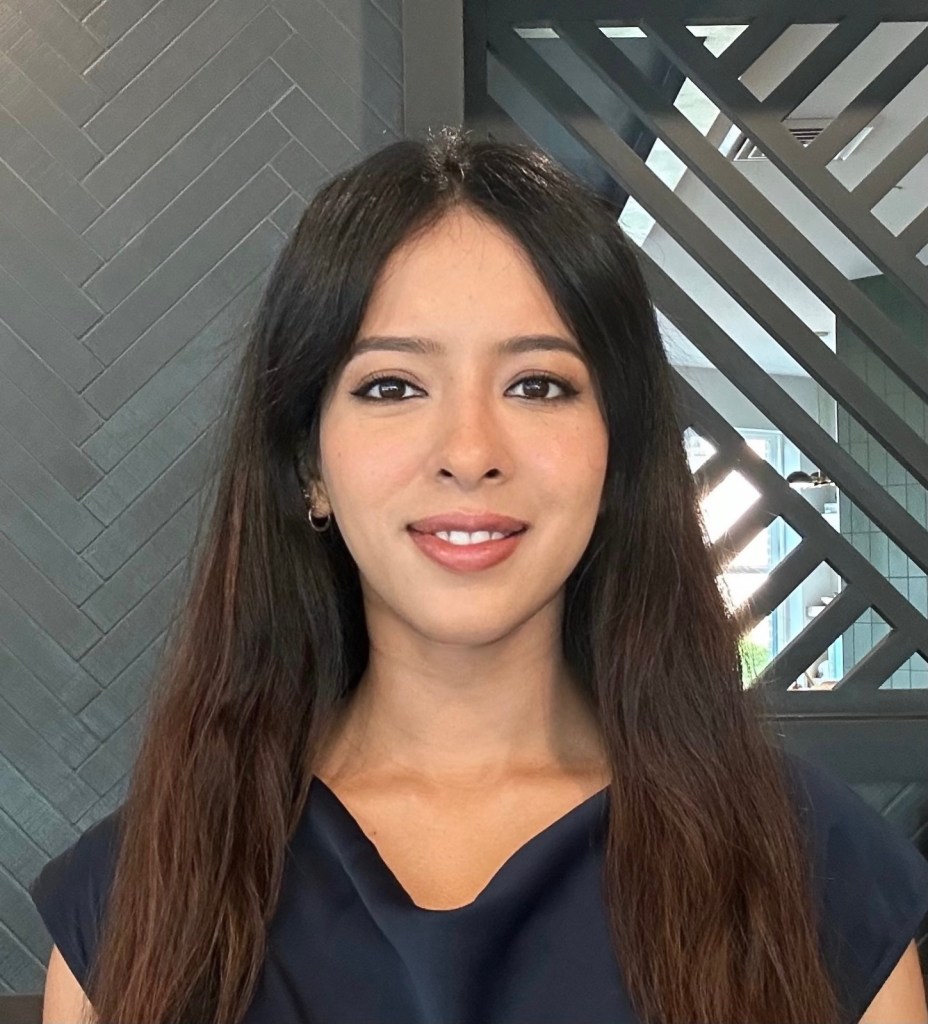
Alyssa Griffin
Panel and Keynote Lead
Alyssa is a PhD student at North Carolina State University in the Marine, Earth, and Atmospheric Sciences department. This is her second year participating in the ComSciCon Triangle Organizer Team and her first year as the Panel and Keynote Lead . She is currently studying precipitation associated with idealized model simulations of different amplitude ENSO events and is also working on a Hurricane Helene modeling project for NCDOT. In her free time, Alyssa enjoys reading, taking ballet classes, and rooting for the Boston Bruins.

Olivia Conway
Panel Assistant
Olivia is a 3rd year Cell and Molecular Biology PhD student at Duke University. Her research focuses on mitochondrial DNA quality control in the context of neurodegenerative disease. She graduated with a B.S. in Biochemistry and a B.A. in Plan II from the University of Texas in Austin in 2023. Outside of lab, she is interested in the connections between scientific research, public policy, and science fiction.
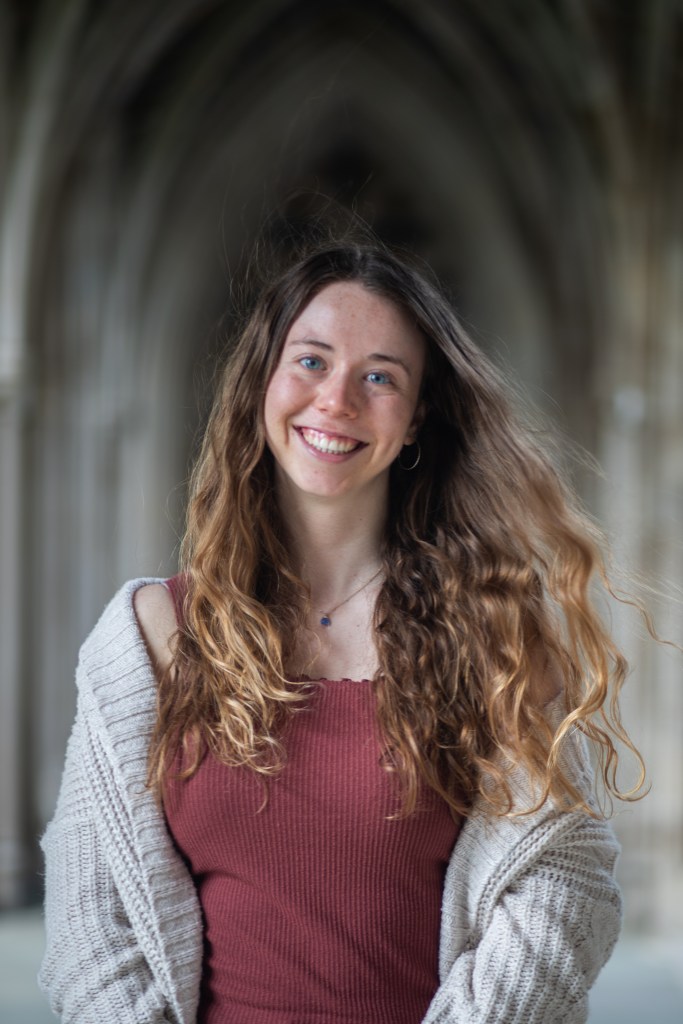
Titilayo Tajudeen
Web Manager
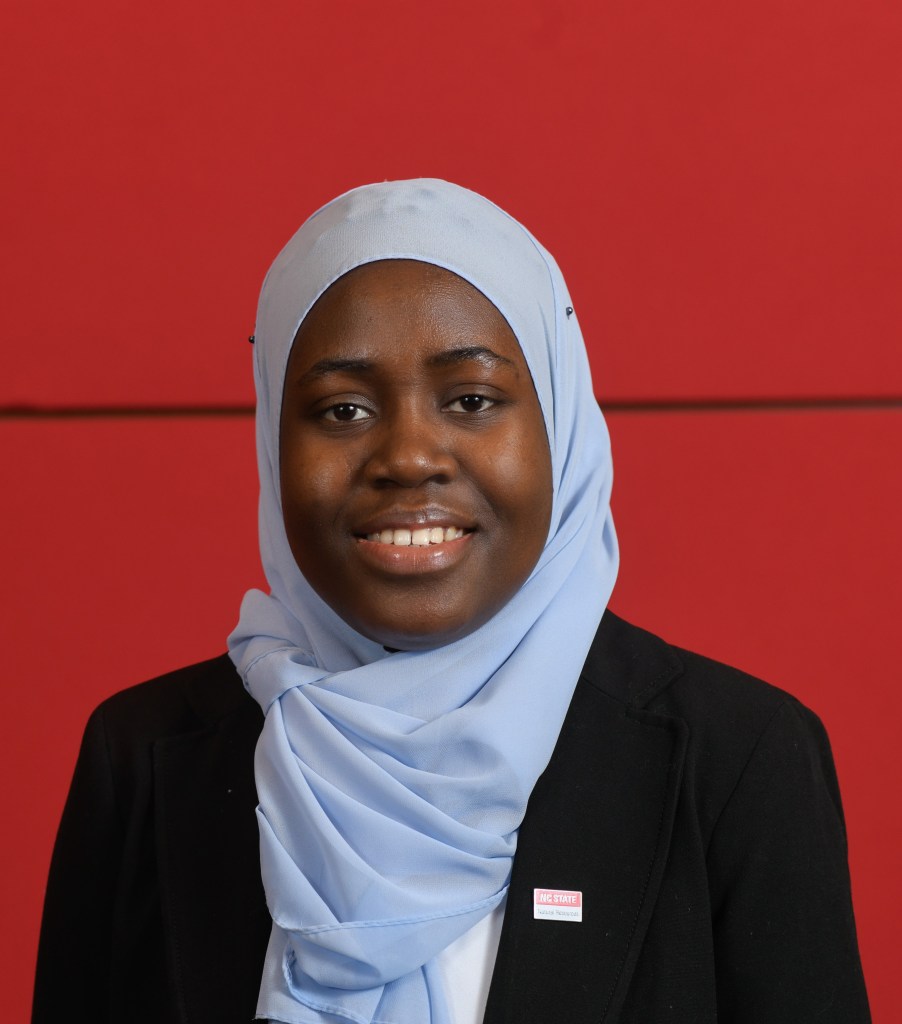
Titilayo Tajudeen is a PhD student at the Center for Geospatial Analytics, North Carolina State University (NCSU). Her expertise is in remote sensing, spatial modeling, and environmental data science. Before her PhD work, she got an MS degree in Forestry (Forest Biometrics and GIS). Her work focuses on applying advanced geospatial techniques and machine learning algorithms to address critical challenges in land use, climate change, and coastal forest conservation. She is passionate about science communication and is committed to making her research accessible to broader audiences, recognizing its importance in bridging the gap between science, policy, and public understanding. She also enjoys drone piloting and outdoor activities such as kayaking.
Conference Program
What can attendees expect at the 2026 workshop?
ComSciCon-Triangle 2026 will feature invited speakers, panelists, and multimedia experts. Attendees can expect a mix of keynote lectures, panels on current scicomm topics, and breakout activities centered on the intersections of art and science. All attendees will participate in a hands-on activity resulting in a deliverable for their scicomm portfolios!
Check out the 2026 Workshop Agenda here!
Check out the 2026 Program Book here!
Speakers
Fenella Saunders
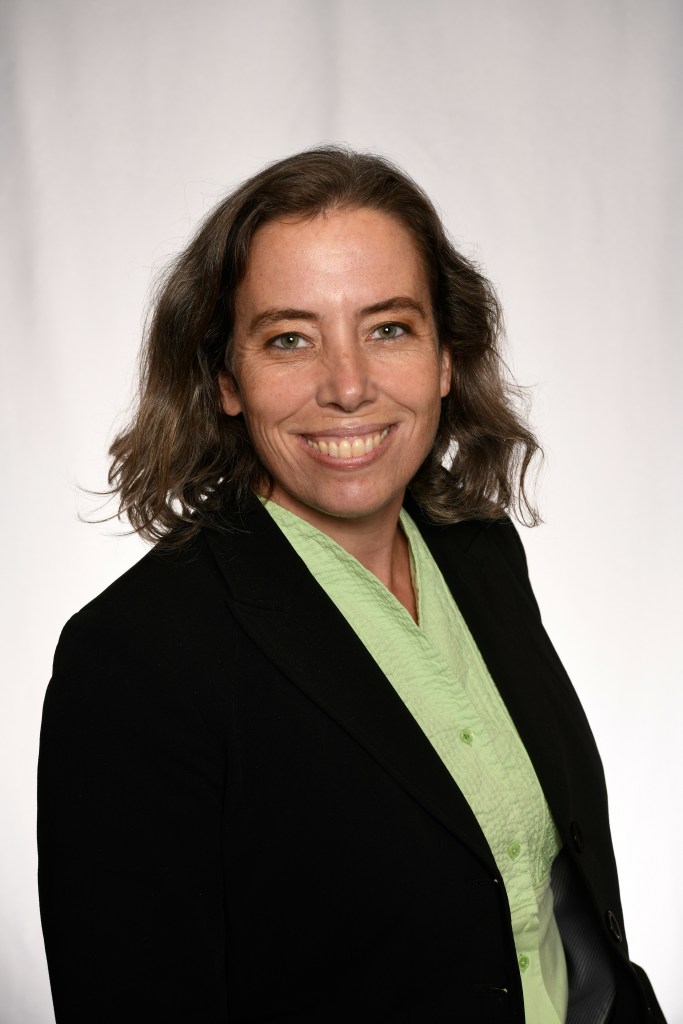
Fenella Saunders is Editor-in-Chief of American Scientist magazine, published by Sigma Xi, The Scientific Research Honor Society, where she also is Director of Science Communications and Publications. She has been a science writer/editor for more than 25 years, previously for outlets such as Discover magazine, Popular Mechanics, Popular Science, NYU Physician, Scholastic, The Learning Channel, and the Discovery Channel. She holds degrees in computer science from Duke University and in comparative psychology from the City University of New York.
Nicolette L. Cagle
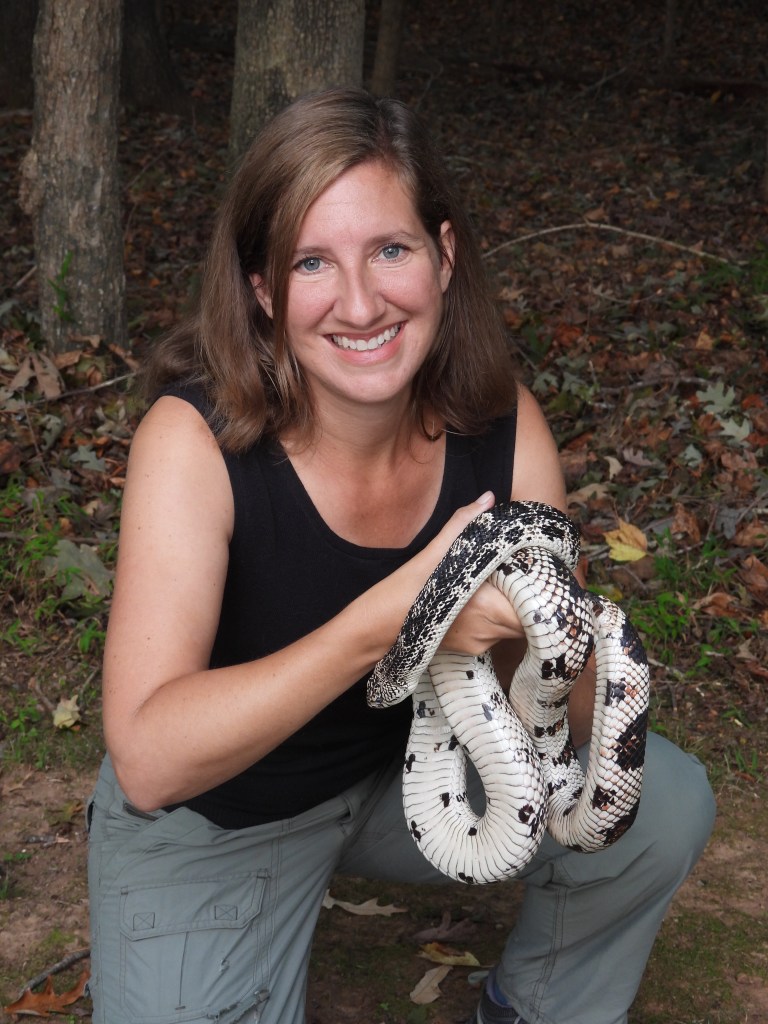
Dr. Nicolette L. Cagle is a Senior Lecturer in Ecology & Environmental Education at Duke University’s Nicholas School of the Environment. She teaches courses such as Dendrology, Forest Measurements, and Wildlife Surveys, and leads community-engaged biodiversity monitoring and conservation projects in Duke Forest and internationally. An award-winning educator and natural history writer, her work focuses on making science accessible, connecting people with place, and mentoring the next generation of environmental leaders.
Karl Leif Bates
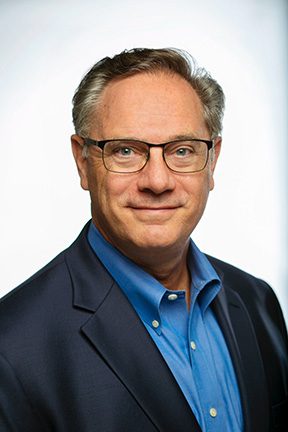
Karl Leif Bates Science Journalist, Director of Research Communications; Karl Leif Bates has written about science and medicine for a general audience for more than 30 years, first for newspapers and then at R1 research universities. His work includes editing and writing about science as well as coaching and training for scientists to communicate with everyone else. He has led science communication workshops and media training for thousands of STEM faculty and trainees at the University of Michigan and Duke University, as well as the EPA, NASA, NOAA, CIFAR and the Burroughs Wellcome Fund. He also coaches and rehearses biotech startups and medical faculty for their pitches to investors and donors. Karl has won national awards for both journalism and university relations and is a Fellow of the AAAS.
Teddy Devereux
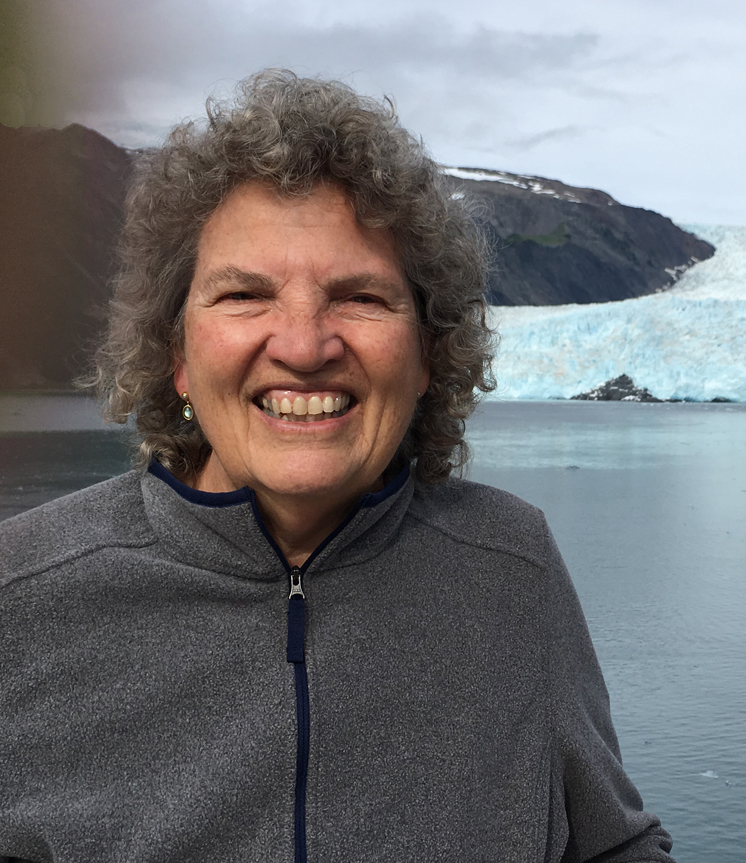
Teddy Devereux earned a B.S. in Botany (1966) and an A.M. in Microbiology (1971) from Duke University. From 1966 to 1968, she worked for the Duke Botany Department as the Lab Preparator for the freshman Botany and later the newly established Biology courses. After leaving Duke, Devereux pursued a 33-year scientific career at the National Institute of Environmental Health Sciences (NIEHS) in Research Triangle Park, North Carolina, conducting basic research primarily focused on cancer and toxicology. From 1994 to 2004, she served as Head of the Molecular Toxicology Group. Over the course of her scientific career, Devereux authored more than 100 research papers and presented her work at numerous national and international conferences. In the late 1980s, Devereux began creating stained glass art as a hobby. Largely self-taught, she began exploring fused glass techniques in 1993 through workshops and classes, and this artistic pursuit soon became a second passion. She has participated in master classes, workshops, and artist retreats with many renowned glass artists. Since 2005, Devereux has taught fused glass techniques locally and has written tutorials for a glass art magazine. She is also a member of 5 Points Gallery in Durham, a member-owned cooperative. Devereux’s artwork is deeply inspired by her lifelong fascination with biology and the patterns found in nature. During her scientific career, she was captivated by the life forms she observed under the microscope and by the inherent beauty of her laboratory research. Many of her fused glass pieces and sculptures reflect underlying scientific themes, though her style often leans toward the abstract and representational rather than the literal. She approaches each piece as an experiment and finds great excitement in opening the kiln to discover the results of the fusing process. With experience, these results have become more predictable, allowing her to fully explore the colors, textures, and depth achievable with kiln-formed glass. Devereux’s glass art has been exhibited in numerous local and national shows since 1999 and is featured in two books on glass art.
Anna McHugh

Anna McHugh is a wild mushroom nerd and educator from Raleigh, North Carolina. Her mycology and citizen science journey began in 2008, and her passion project is a YouTube channel dedicated to beginner-friendly, science-focused mushroom identification. She also makes myco-botanical illustrations of her favorite fungi and has an upsetting mushroom-to-human ratio on her camera roll. Connect with Anna! YouTube: @anna-identifies-mushrooms Website: mushroomanna.com Facebook: @anna.mchugh.3
Marla Broadfoot
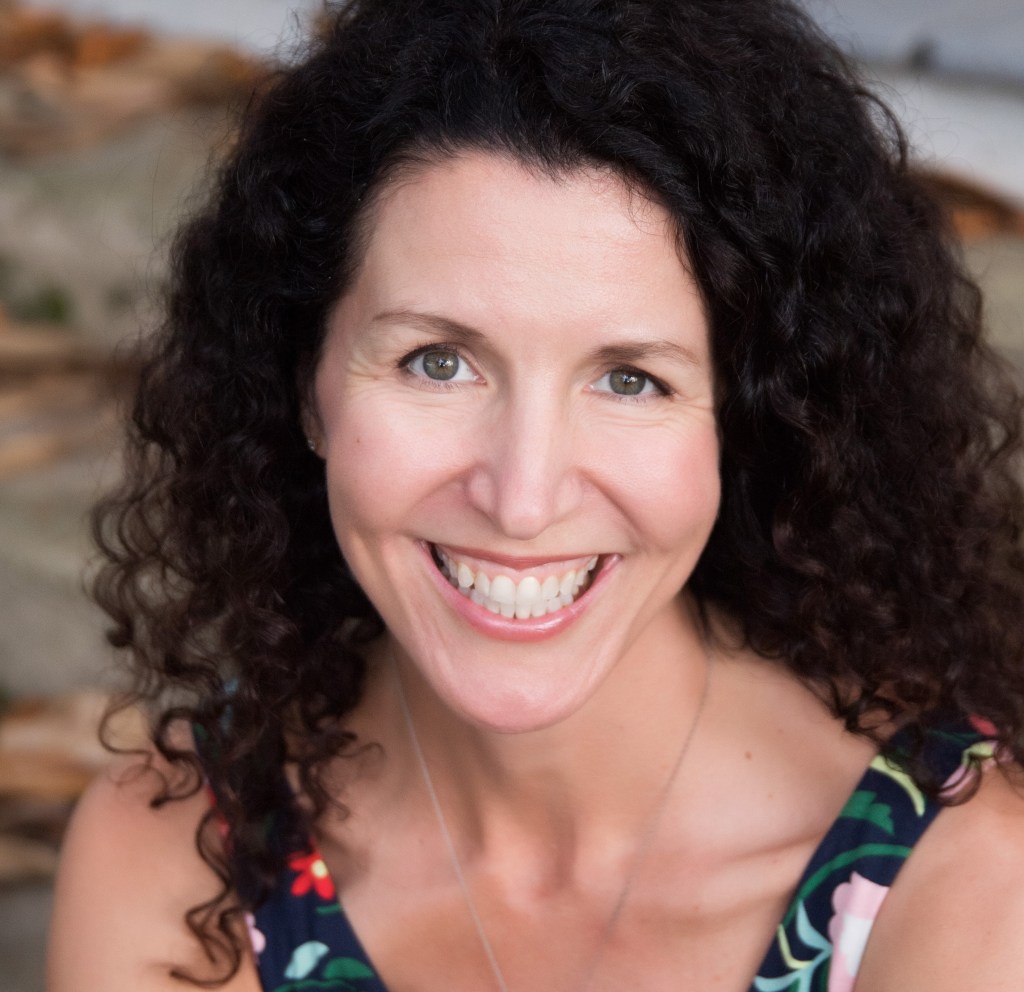
Marla Broadfoot is a freelance science writer and editor based in Wendell, North Carolina. Her work has appeared in Scientific American, Smithsonian, Knowable, Science, STAT, Popular Science, Discover, Nature News, and Science News, among others. She is a board member of the National Association of Science Writers, a contributing editor at American Scientist magazine, and an alum of the Rosalynn Carter Mental Health Journalism Fellowship. Before shifting to journalism, she earned a PhD in genetics and molecular biology from the University of North Carolina at Chapel Hill.
Robin Smith

You want your science to matter. But do you struggle to get your message across to people outside your field? Robin Smith reshapes the raw ore of research into content for donors, reporters, funding agencies, policymakers and other busy stakeholders. She is a science writer for Michigan State University with a PhD in biology. She helps researchers craft key messages, make data more relatable, identify the stories behind their science, and work with their news office to lighten the load.
Mira Polishook
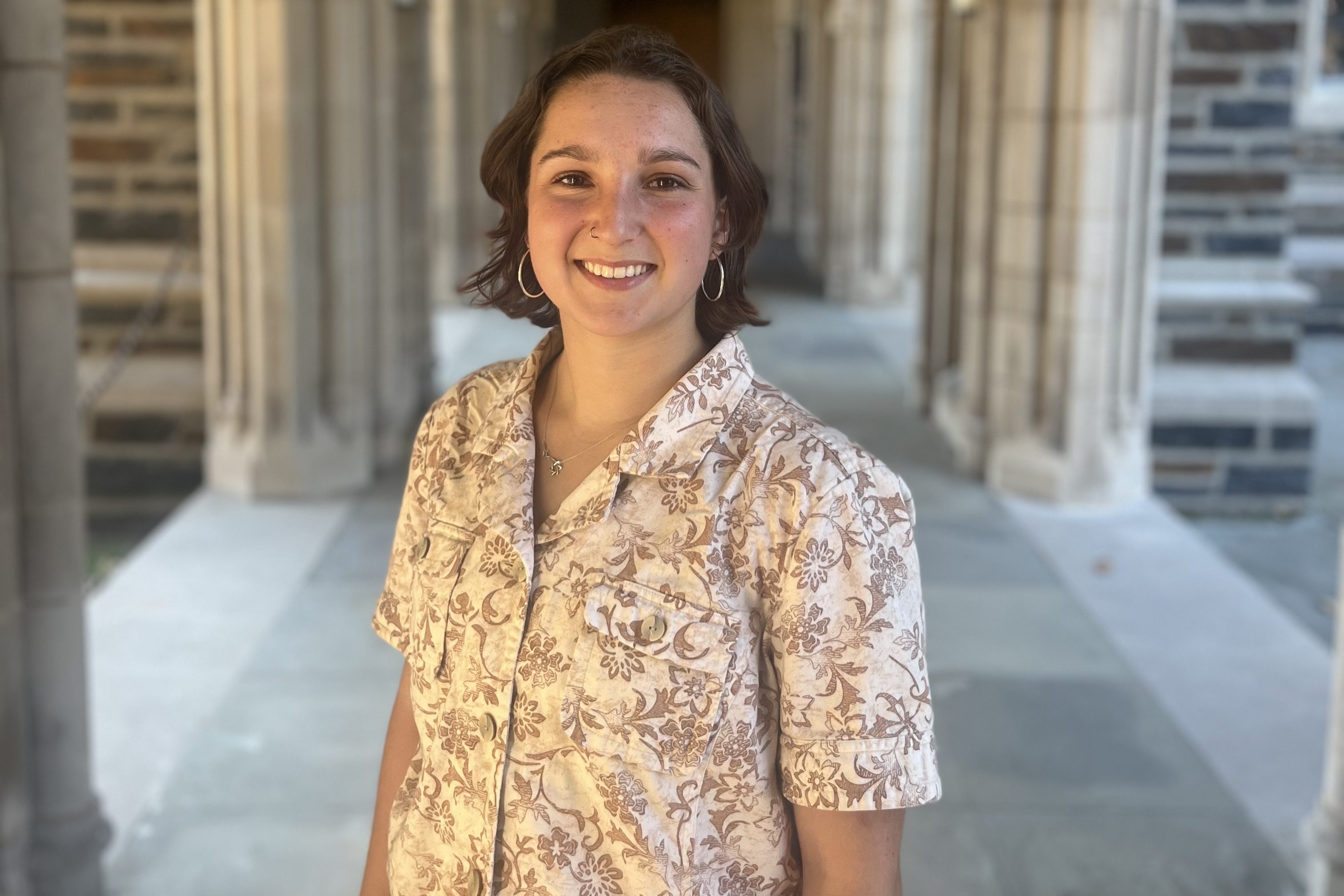
Mira Polishook is a mycology researcher and community scientist. Mira’s self-descriptive tagline is “lab rat by day, forest fairy by night.” At Duke University, she is studying plant-fungal symbioses and plans to attend graduate school in 2026. In her personal life, she spends time in the forest, documenting and identifying mushrooms, posting on iNaturalist, and teaching folks about the wacky world of fungi. She is passionate about community science and outdoor education, which led her to help found the Triangle Mycological Society, an amateur mycology club. She currently leads guided mushroom walks, organizes workshops, and writes the newsletter for TMS.
Véronique Koch
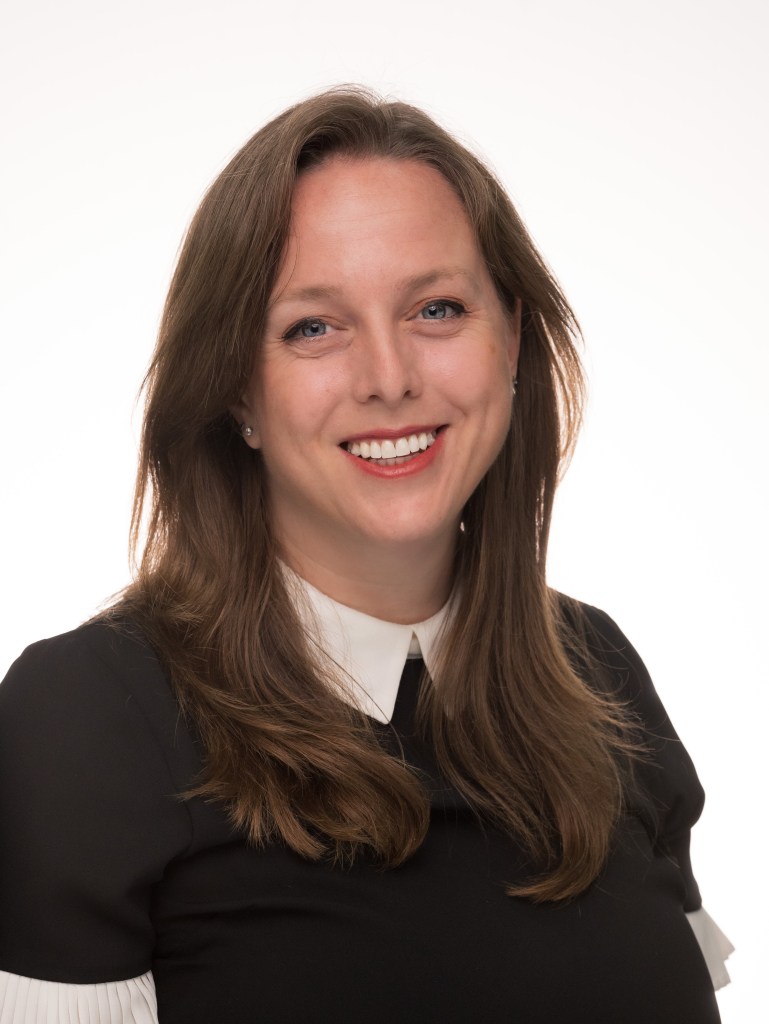
Véronique Koch is an Emmy Award–winning science communicator and Senior Science Producer at Duke University. A former marine biologist, she creates documentary-style videos that translate cutting-edge research into engaging stories for the public. Her experience includes producing for Discovery Channel Latin America, South Florida PBS, and Plaza Sésamo (Sesame Street in Latin America). At Duke, she produces several video series that bring research to life, including Why Do You Study That?, Check This Out!, and Climate Pathfinders. Véronique believes storytelling is critical for building trust in science and inspiring change.
Emma Hinkle

Dr. Emma Hinkle has a knack for words and a love of science. Dr. Hinkle is a Senior Associate Scientific Director at The Lockwood Group where she takes complex scientific information from the therapeutic areas of Oncology and Cardiology and repackages it in an accessible way for doctors to be up to date on the latest pharmaceutical research. She defended her PhD in Genetics and Molecular Biology from the University of North Carolina at Chapel Hill where she studied the interplay between genetics and mechanotransduction in skeletal muscle cells. She also has Bachelor’s degrees in both Genetics and English from North Carolina State University. In her spare time, Dr. Hinkle reads voraciously and enjoys picking heavy things up and putting them down again.
Lauren D. Pharr
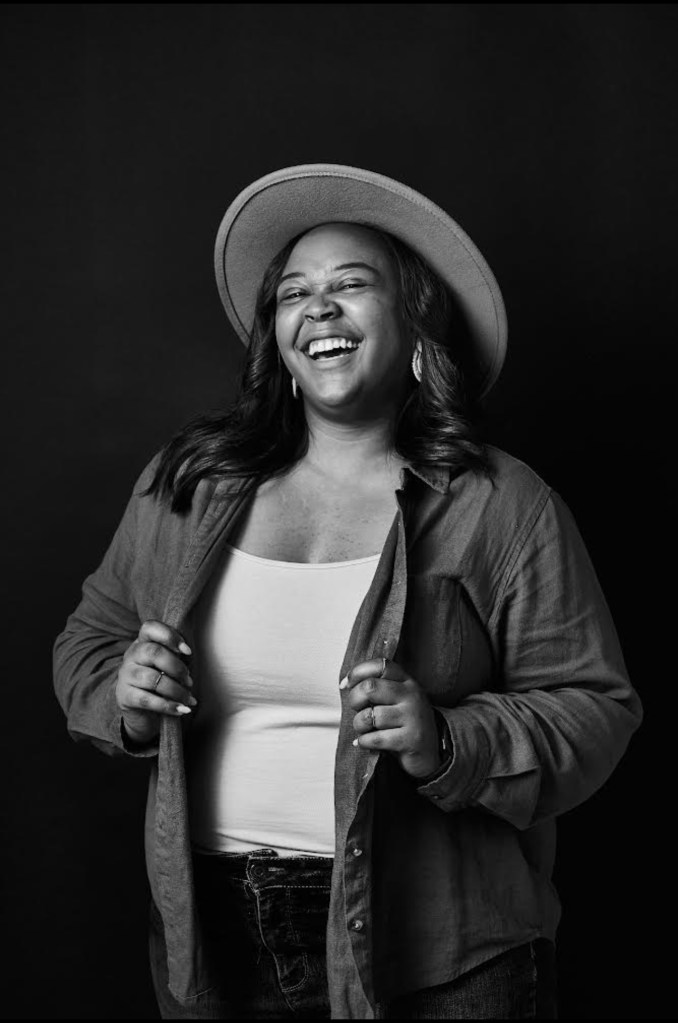
Dr. Lauren D. Pharr is an avian behavioral ecologist whose research focuses on bird behavior and its applications to conservation. She earned her B.S. in Environmental Biology from Wingate University and her M.S. and Ph.D. in Fisheries, Wildlife, and Conservation Biology from North Carolina State University. In addition to her research, Lauren is an active and award-winning science communicator. She serves as a freelance writer for The Nature Conservancy’s Cool Green Science blog, and her work has appeared in outlets including National Geographic, WIRED, and PBS SciNC. She has also served on the Editorial Advisory Board for The Wildlife Society and as a contributing editor for North Carolina Sea Grant. Lauren is the co-founder of Field Inclusive, a nonprofit dedicated to amplifying and supporting marginalized and historically excluded individuals in the outdoors and making science accessible to all. Her research and advocacy have earned her numerous accolades, including the North Carolina Wildlife Federation’s 2023 Governor’s Conservation Achievement Award for Young Conservationist of the Year, one of the highest honors in the state’s wildlife field.
Misha Angrist
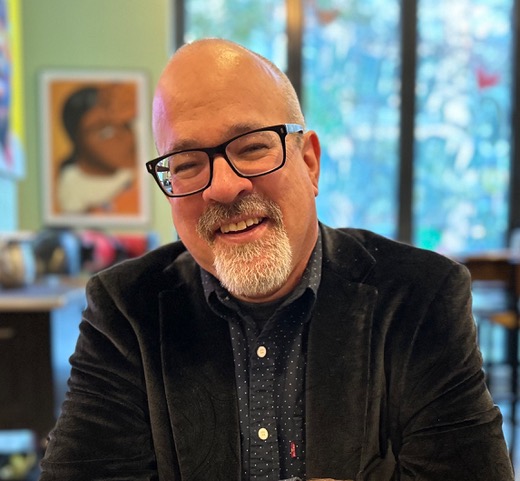
Misha Angrist is Associate Professor of the Practice in Duke University’s Social Science Research Institute and a Senior Fellow in its initiative for Science & Society. He is interested in the intersection of biology and society, especially as it relates to the governance of human participation in genomic research and medicine. He is the author of Here is a Human Being: At the Dawn of Personal Genomics, which chronicles his experience as one of the first people to have their genome sequenced and made public, and a forthcoming book on the past, present and future of treatments for rare genetic diseases. His work has appeared in Slate, The New York Times, The Times of London, Technology Review, Nature, Public Health Watch, and Undark, among other places. He is a regular contributor to Flaming Hydra, He lives with his family in Durham, North Carolina, where he hosts the Periodic Tables Science Cafe.
JP Flores
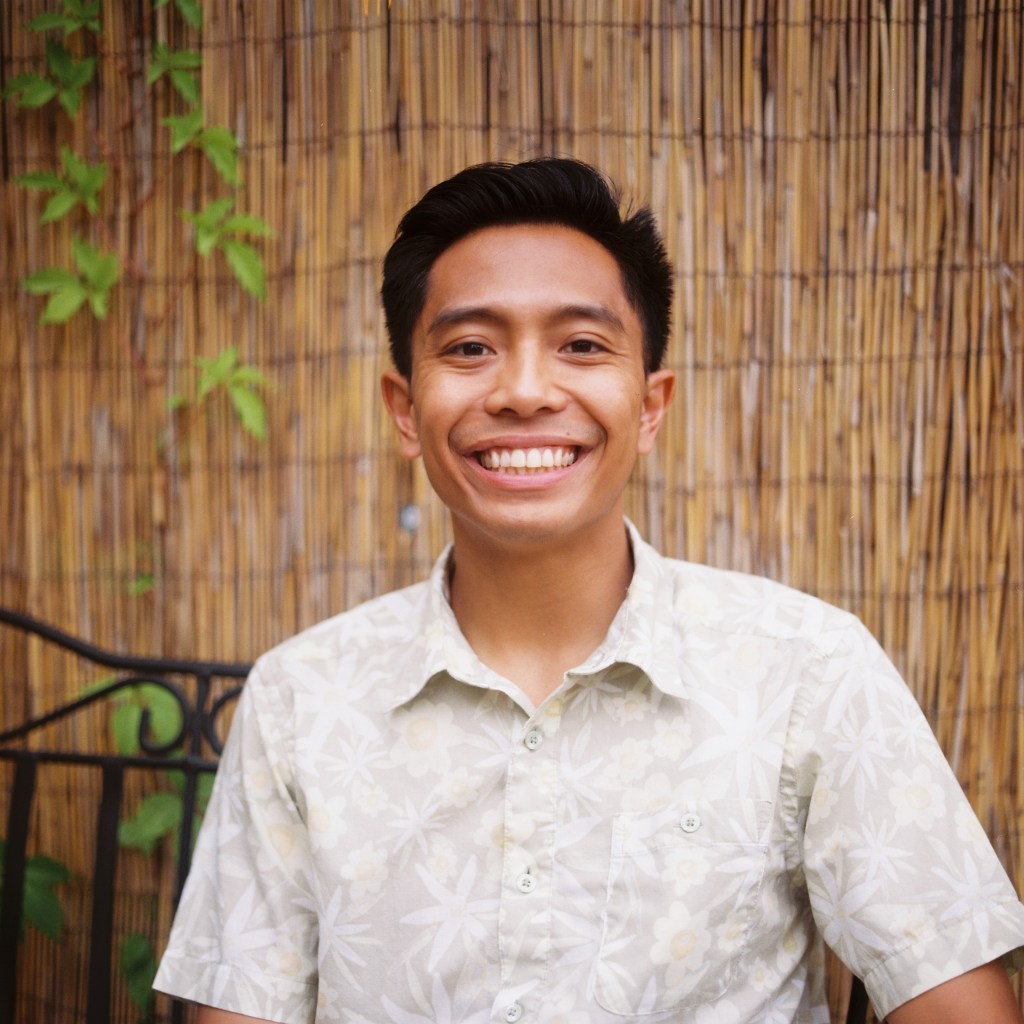
JP is a 5th-year PhD candidate in Bioinformatics & Computational Biology at UNC Chapel Hill, where he studies 3D chromatin structure and gene regulation and pursues a Graduate Certificate in Innovation for the Public Good. Originally from Los Angeles, CA, he is a HHMI Gilliam Fellow and the Founder and Host of From where does it STEM?, a Spotify Next Wave Award–winning podcast and Spotify Podcast of the Week in May 2024. He is passionate about bridging science and society and empowering individuals from marginalized and minoritized backgrounds.
Alyssa LaFaro
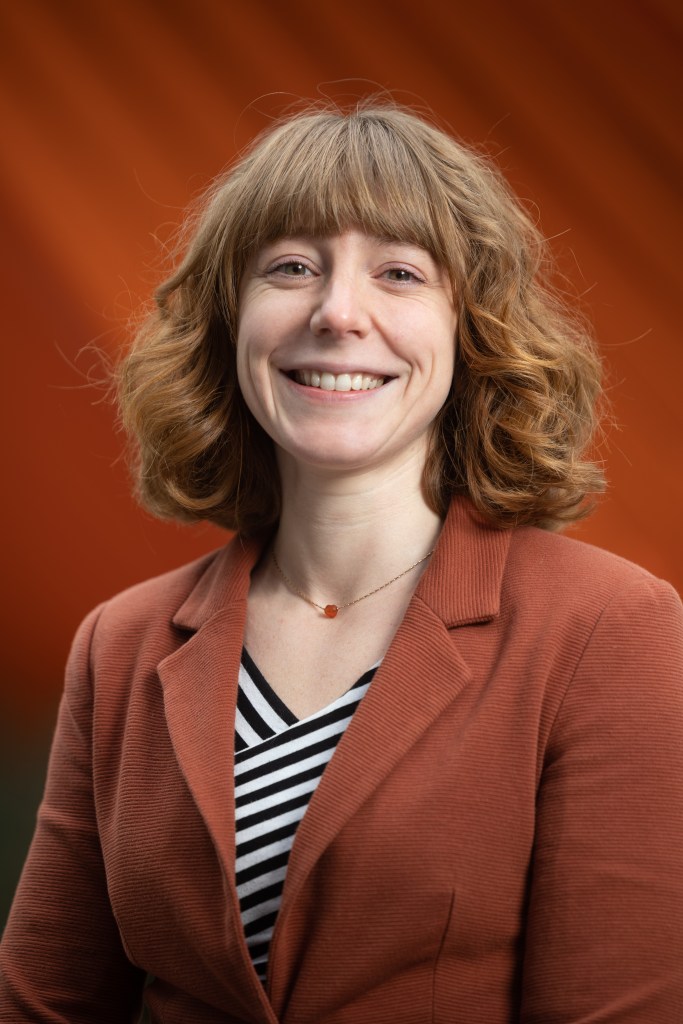
Alyssa LaFaro is the editor and lead writer for UNC Research Stories, the research magazine for the University of North Carolina at Chapel Hill. She oversees all content for the digital and print editions, which includes writing articles, taking photos, producing short documentary-style videos, and managing an internship program to train the next generation of science communicators. She is also the president of Science Communicators of North Carolina, a nonprofit networking group for science communicators across the Triangle.
Jim Lee

Jim Lee is a Durham, NC-based, multi-dimensional artist whose work is influenced by his love of nature, science, technology, with a bit of mischief from time to time. Working with cameras, scanners, lighting and collections of found and fabricated objects, Jim creates photographic compositions that range from the mysterious and figurative to the simple and abstract. He collects the remains of natural processes of growth and decay and brings them to his studio where they become subjects and muses for his work. Jim often ventures outside of his photographic practice into three dimensional creations, some of which wind up in his photographic compositions. He has been featured in numerous juried, solo, and group exhibitions. His work is included in collections at American Tobacco Campus, Andrew Young Enterprises, Cassilhaus, Duke University Medical Center, Gregg Museum of Art and Design, Truist Bank, and other private venues. He is the owner and chief curator at upstART Gallery, an occasional installation currently looking for a new temporary home. Jim holds a PhD in research methodology from UNC-CH. His doctoral research focused on the diffusion of media technologies and the democratization of cultural production. He has taught media theory and production courses at UNC-CH and Duke. More recently Jim held an appointment with the Department of Cell Biology at Duke University where he coached post-doctoral researchers in preparation for conference and job interview presentations. He is also well known for his pioneering research into the natural history of the elusive Rock Nest Monster (Cryptogorgo petronidus)
Sponsors





Code of Conduct
ComSciCon is committed to providing a safe, hospitable, and productive environment for everyone present, regardless of race or ethnicity, religion, ability, socioeconomic status, age, physical appearance, economic or professional status, country of origin, sex, gender or gender expression, or sexuality. A conference where people feel uncomfortable or threatened is not productive, nor tolerable. Accordingly, ComSciCon prohibits intimidating, threatening, or harassing conduct during our conference and is committed to creating and maintaining a safe environment for everyone during the workshop. This policy applies to speakers, organizers, expert reviewers, and attendees, and by participating in ComSciCon, you agree to adhere to this policy.
ComSciCon expects that participants will:
- Be considerate and respectful to all community members.
- Refrain from demeaning, discriminatory, or harassing behavior, materials, and speech (more below).
- Speak up if they observe anything at an event that conflicts with this Code of Conduct. If you are being harassed or feel uncomfortable, notice that someone else is being harassed, or have any other concerns, please contact a member of the ComSciCon organizing team immediately.
Unacceptable behavior from any community member will not be tolerated. Unacceptable behavior includes, but is not limited to:
- Intimidating, harassing, abusive, discriminatory, derogatory, or demeaning speech, materials, or conduct by any Participants of the event and related event activities. Many event venues are shared with members of the public; please be respectful to all patrons of these locations.
- Violence, threats of violence, or violent language directed against another person.
- Failure to obey any rules or regulations of the event venue.
Harassment of participants will not be tolerated in any form. Harassment includes:
- Offensive verbal or written comments related to gender, gender identity and expression, sexual orientation, disability, physical appearance, body size, race, age, religion, national origin, affinity group, etc.
- Viewing or sharing sexual images in public spaces.
- Deliberate or perceived intimidation, stalking, or following.
- Harassing or non consensual photography or recording.
- Sustained disruption of talks or other events.
- Inappropriate physical contact.
- Unwelcome sexual attention.
- Advocating for, or encouraging, any of the above behavior.
Participants asked to stop any harassing behavior are expected to comply immediately. If a participant engages in harassing behavior, ComSciCon organizers will take any action they deem appropriate, ranging from a verbal warning to expulsion from the conference, to contacting local authorities.
ComSciCon organizers may take action to address any behavior disrupting the conference or making the environment hostile for any participants. We expect participants to follow these rules at all conference events and ComSciCon-related social activities.
If you are being harassed, notice that someone else is being harassed, or have any other concerns, please contact a member of the conference staff immediately (by email at the designated confidential address triangle@comscicon.org). Organizers will be available to assist anyone experiencing unacceptable behavior and will work to help you feel safe for the duration of the event. All reports will be held as confidential by ComSciCon event organizers.
We value your attendance, and want to make the conference experience as educational, productive, and fun as possible.
 ComSciCon