
Come Join us at ComSciCon Nebraska Chapter Workshop 2026!
We would love for you to join us for the first-ever ComSciCon Nebraska Chapter Workshop on Saturday June 27th, 2026 at Creighton University in Omaha, NE.
For more information, please contact us: Nebraska@comscicon.org
Application
Please fill out the application at this link (Due by June 1st, 2026):
ComSciCon Nebraska 2026 Application
Invited Speakers
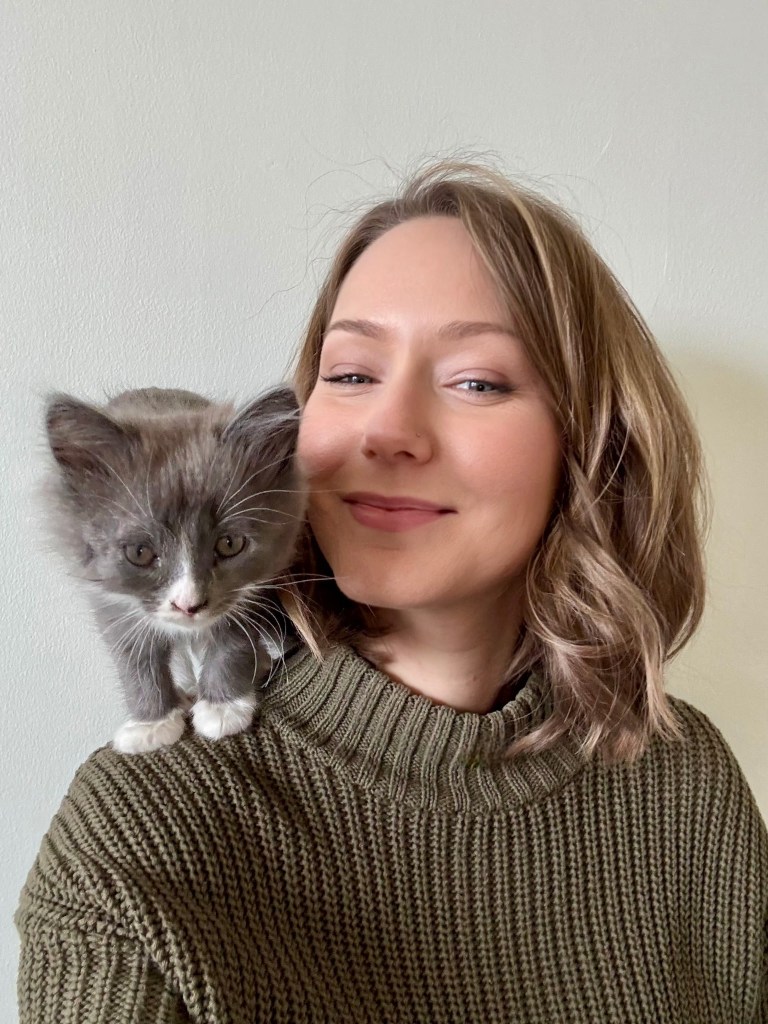
Dr. Kelsey Anbuhl, PhD
Creighton University School of Medicine
What do you do for work?
I am an Assistant Professor in the Department of Biomedical Sciences at Creighton University. I study how the brain supports our ability to listen, and how hearing loss, especially during development, can disrupt this process and lead to lasting changes to the brain and behavior.
What is SciComm to you?
To me, science communication is all about connection. It is how we connect observations in the lab to meaningful ideas, how we connect our work to our own experiences, and how we connect with others, whether that is with other scientists or someone outside of science.
As scientists, it is easy to lose sight of where we started as we learn and grow. I often try to ask myself whether I would have understood something five years ago, or as a first-year graduate student, or when talking to friends, family, or others outside of science. That perspective helps keep my communication grounded and reminds me to meet people where they are.
What are some things you like outside of work?
I enjoy exploring all the bike trails in Omaha, listening to audiobooks, traveling, and trying new foods. I love starting creative projects like painting, mosaics, photography, and stop-motion animation, even if I don’t always finish them. And I spend a lot of time playing with my new kitten, Archie, and taking care of my tropical plants, which are slowly overtaking my house.
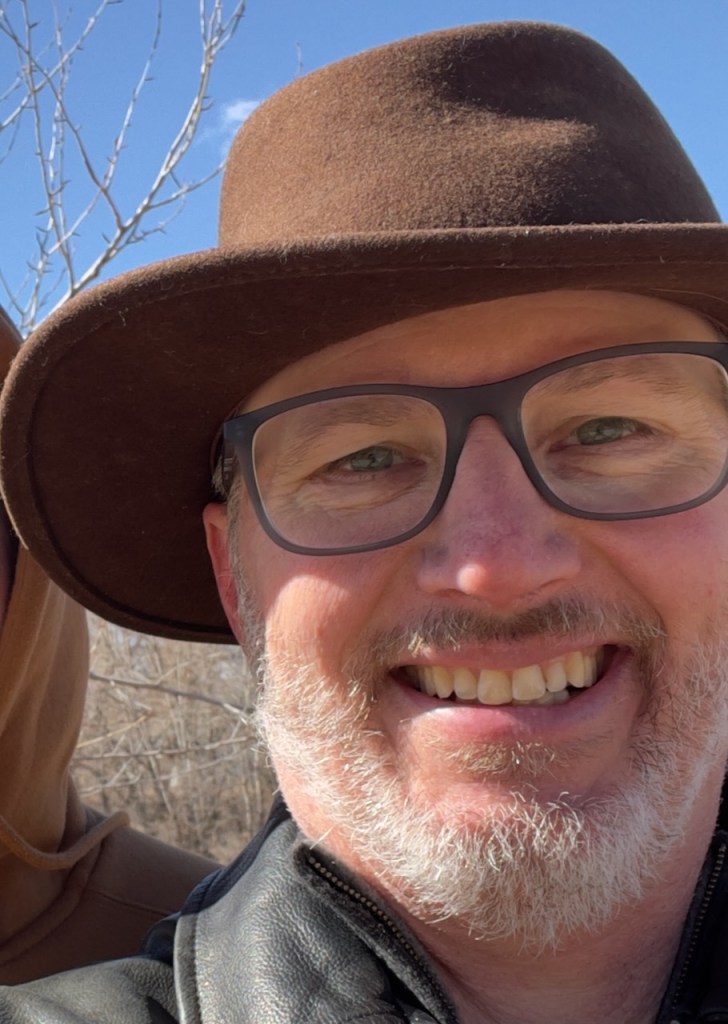
Dr. Jason Bartz
Creighton University School of Medicine
What do you do for work?
Professor and Chair of Medical Microbiology and Immunology. My group works on prion and prion-like diseases.
What is SciComm to you?
Deciphering the technical jargon and placing scientific findings into relatable context for the audience.
What are some things you like outside of work?
Photography
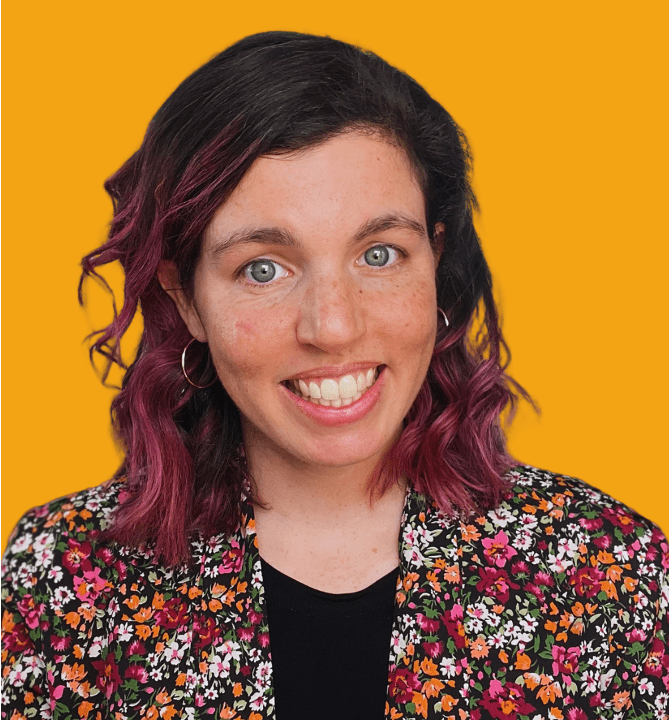
Dr. Katie East, PhD, D-ABFA
SNA International
Creighton University
SUNY
Dr. Katie East is a Board-certified forensic anthropologist and university instructor. In her free time she enjoys engaging with different audiences as a science communicator. With over a decade of experience in museums, laboratories, and field settings, Katie educates audiences of all ages about anthropology, forensics, and science. For Katie, science is about curiosity, passion, and empathy and science communication is about building connection, trust, and understanding with a diverse public. When she isn’t doing science or talking about it, Katie’s favorite things are going for long walks with her new baby and listening to audiobooks.
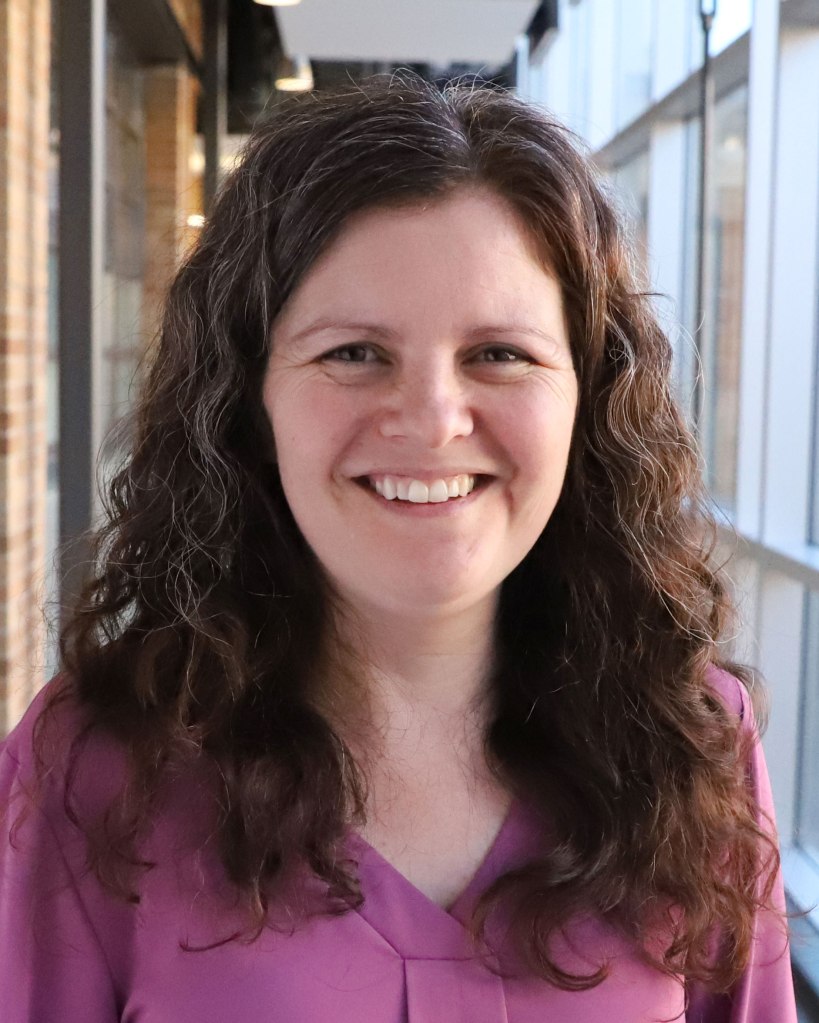
Dr. Christine Booth, PhD
University of Nebraska-Lincoln
What do you do for work?
I am a lecturer in the College of Agricultural Sciences and Natural Resources (CASNR) at the University of Nebraska-Lincoln. In this role, I also serve as the coordinator for the Institute of Agriculture and Natural Resources (IANR) Science Communication Hub. I work mostly with graduate students on scientific writing, and specifically research manuscript writing. My job duties and approach are centered around interdisciplinary communication, and I work with students to cultivate that mindset as we progress through developing their written communication skills. To me, the first step in being a great science communicator is being an efficient interdisciplinary scientific communicator. I also work directly with students on science communication topics, particularly flash-style talks geared toward a broad audience.
What is SciComm to you?
SciComm, to me, is the bridge between science and the world. Most of what I currently do focuses on helping early-career scientists cross the bridge to get their amazing scientific insights out in the world. However, I find that I am growing increasingly curious about how we could identify and remove any barriers that we may have accidentally mounted on our great bridge. So then, if SciComm is our bridge, the work of science communication involves knowing how to effectively cross the bridge, but also how to maintain it to allow safe crossing in both directions.
What are some things you like outside of work?
Outside of work, I like to relax (boring, I know). I have a toddler at home who rarely allows me to do that, but spending time with him and my spouse is my favorite pastime regardless of whether we are having an active or lazy day.
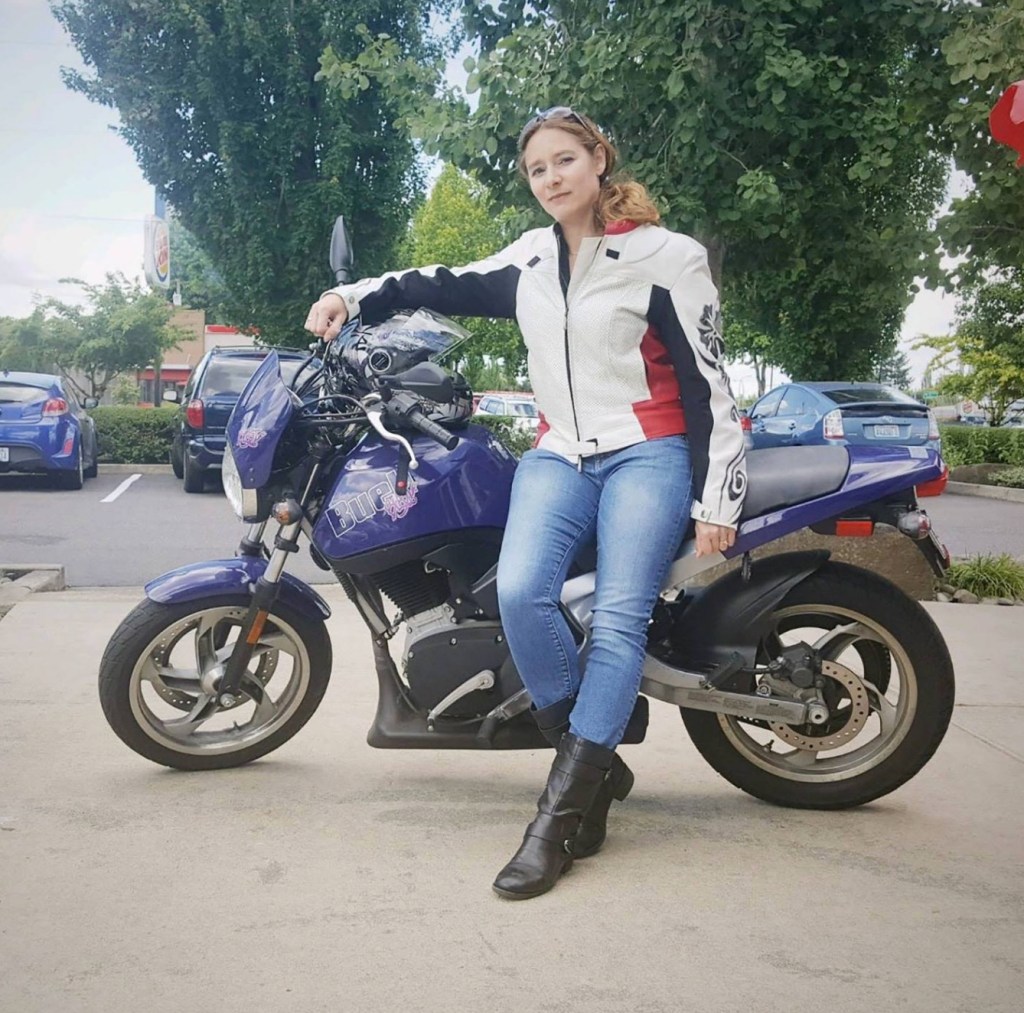
Dr. Allison Coffin, PhD
Creighton University School of Medicine
Dr. Allison Coffin is an Associate Professor of Biomedical Sciences and the Associate Director of the Dr. Richard J. Bellucci Translational Hearing Center at Creighton University. Her research focuses on understanding the cellular mechanisms of hearing loss and developing therapies to prevent or restore hearing. Utilizing zebrafish and rodent models, her lab investigates how factors such as loud noise, certain medications, and aging cause damage to sensory hair cells responsible for hearing. Additionally, her research examines hormone-mediated auditory plasticity and the impact of hatchery rearing conditions on salmon sensory systems.
Dr. Coffin is also the co-founder and President of the Association of Science Communicators (formerly Science Talk), an international organization dedicated to enhancing the impact of science in society. She holds a PhD in Biology from the University of Maryland, an MS in Fisheries from the University of Minnesota, and a BS in Marine Biology from Florida Tech. Outside of science, Alli enjoys sports, motorcycling, reading, and making new feline friends.
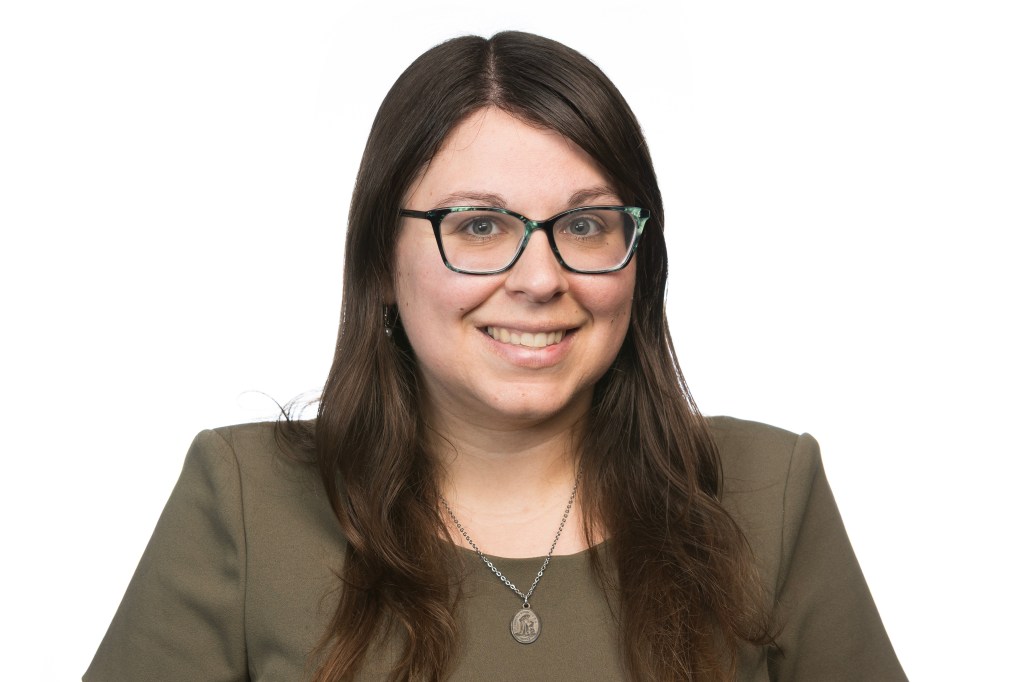
Dr. Erin Rowland-Schaefer, PhD
University of Nebraska-Omaha
I am an assistant professor of biology at the University of Nebraska Omaha. I study tallgrass prairies and the impacts of land management and teach a number of courses on ecology. In addition, I’m also a biology education researcher. I study how to best equip students with science literacy and science communication skills so they can engage on topics at the intersection of science and society. To me, SciComm is an integral part of the process of science – and it doesn’t begin at the end of the project! Communicating about science includes talking with stakeholders, publishing results, public presentations, social media, and conversations over the dinner table. I believe that every scientist has a responsibility to share not only about their own work, but the scientific process and the role of science in shaping our world. Outside of work, my husband and I are avid birdwatchers and hikers. I also enjoy baking, crocheting, video games, and singing!
Conference Program
Morning Kick-Off (Coffee & Bagels!)
Time: 9am-9:30am
Translating Science: Advocacy, Audiences, and Everything in Between
Time: 9:30am-11am
Panelists: Dr. Kelsey Anbuhl, Dr. Jason Bartz, Dr. Katie East
Create-A-Thon (See session information below!)
Time: 11am-1pm
Expert Editor: Conor Gearin
Lunch Break
Time: 1pm-2pm
Free food will be provided to all attendees!
From Pipettes to Prairies: Science Communication Across Career Stages
Time: 2pm-3:30pm
Panelists: Dr. Christine Booth, Dr. Allison Coffin, Dr. Erin Rowland-Schaefer
Pop-Talks Session
Time: 3:30pm-4:30pm
A demo will be provided prior to start of session!
Closing Remarks
Time: 4:30pm-5pm
Create-A-Thon
What is the Create-A-Thon?
The Create-A-Thon is your chance to hone your science communication skills by writing a piece (e.g., an abstract for a conference or an article for a newsletter) or visual art piece (i.e., graphical abstract) about any science topic of your choice (be it your research or something else) and receiving valuable feedback through a workshop with your peers and expert reviewer. Over the few weeks leading up to the workshop and during the Create-A-Thon session of ComSciCon, you’ll receive feedback and suggestions to help you ready your project for sharing or publication. That being said…it’s time to get creating! 🙂
Our recommended requirements for the Create-A-Thon vary with the genre of project you’re creating (writing or visual arts), and they’re listed below:
- Writing: we recommend a 600-800 word original piece of science writing (such as a newsletter article, abstract, personal essay, poetry, etc.) along with an accompanying freelance pitch.
- Visual art: the form this can take (e.g. graphical abstract, comics, illustration, data visualization) is totally at your discretion, however we’d still like you to produce an accompanying written freelance pitch.
A “pitch” is a story outline that you send to an editor of a publication (or, as applicable, a producer at a radio station or YouTube channel, an editor at arts magazine, etc.) to persuade them to publish your piece.
Some things to consider when crafting your pitch and producing your piece:
- What outlet are you hoping to submit your piece to?
- What genre is your piece (creative nonfiction, explainer, opinion, personal essay, narrative, etc.)?
- Who is your intended audience? Do they align with the audience of the outlet you’re pitching to?
- Is your audience familiar with the jargon you are using?
Please note your topic, intended audience, intended genre (op-ed, comic, etc.), and intended outlet (if known) at the top of your drafts.
All submissions due by June 6th, 2026!
Venue Information
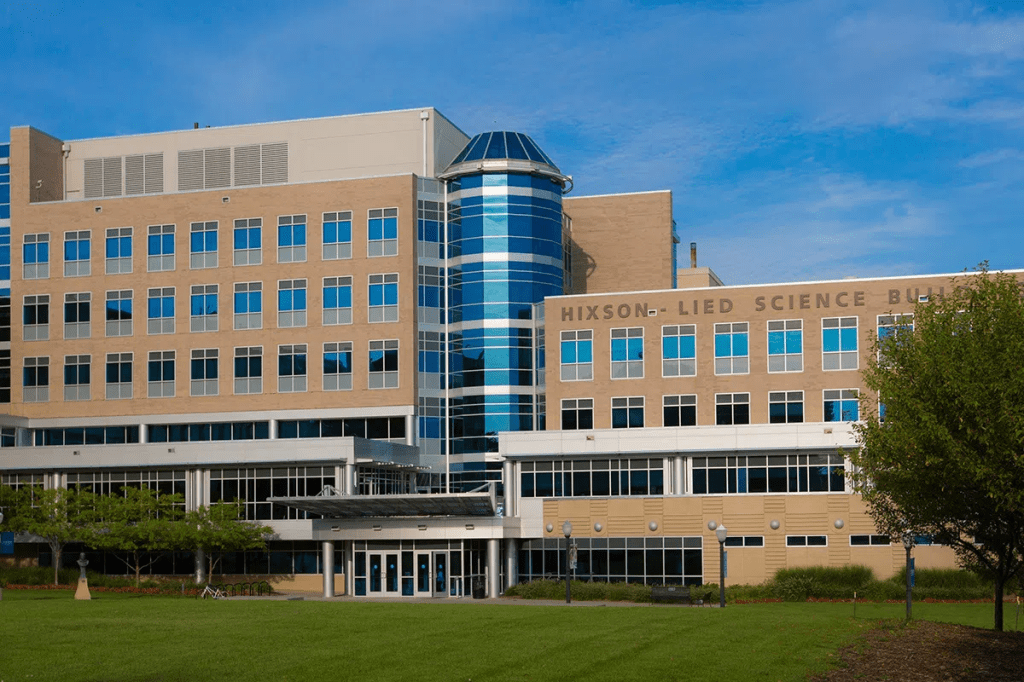
Our event will be hosted at Creighton University in the Hixson-Lied Science Building (2555 Burt St, Omaha, NE 68178).
Sponsors


Organizers
Chair of Outreach: Alyssa Price
My name is Alyssa Price and I am the Chair of Outreach for the ComSciCon Nebraska Workshop this year! I received a B.A. in Psychology from the University of South Florida, and I am a first-year Biomedical Sciences PhD student at Creighton University School of Medicine. My primary interests are in the field of Auditory Neuroscience, specifically looking at neuroplasticity, neural encoding, electrophysiology, and mechanistic explanations relating to different hearing deficits/disorders. After graduation, I hope to operate my own lab investigating concepts such as audiogenic seizures and become a professor. Aside from my research and academic endeavors, I enjoy spending time with my dog, hiking, and playing World of Warcraft.
Chair of Programming: Ayden Chavez
My name is Ayden Chavez. I am the Chair of Programming for this years ComSciCon workshop. I received a B.S. in Neuroscience with a minor in Justice and Peace Studies from Creighton University. I am a first-year and first-generation PhD student in Biomedical Sciences at Creighton University School of Medicine. I am interested in many aspects of auditory neuroscience specifically, looking at how sensory organs develop and communicate with the brainstem and cortical structures. I am especially interested in the underlying molecular mechanisms regulating synaptic pruning/innervation within the inner ear (especially through JAK/STAT signaling). Outside of the lab you can more often than not find me getting coffee, swimming, volunteering in Omaha, fishing, or spending time with friends and family.
Chair of Finance & Social Media: Vignesh R.A.
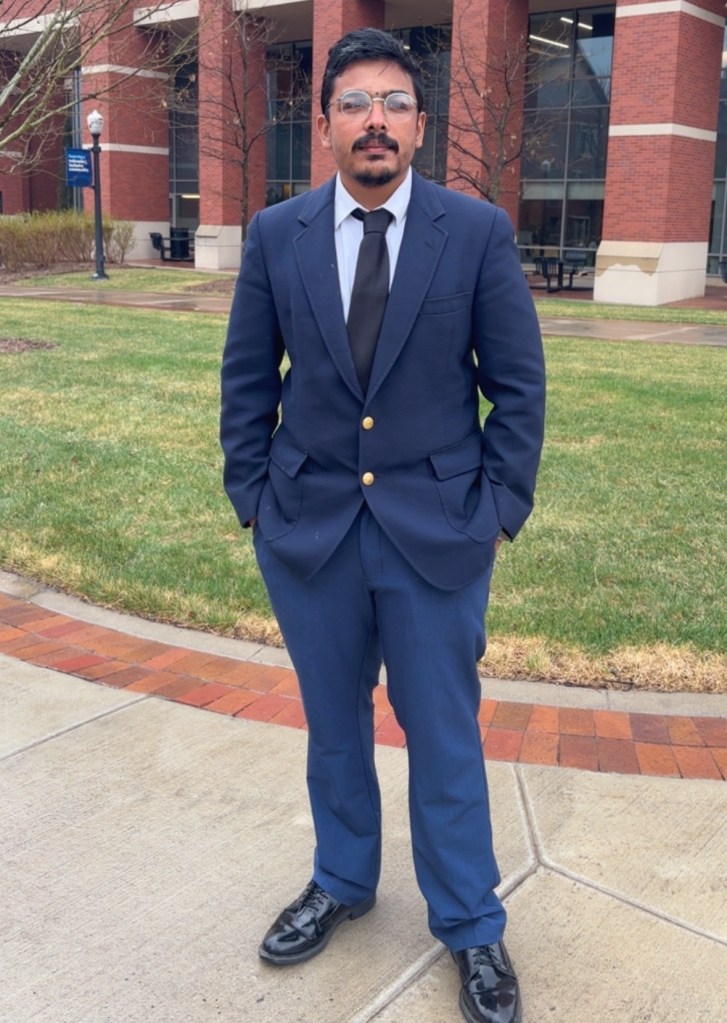
Vignesh R.A. is a 4th-year PhD student in Biomedical Sciences, where his research focuses on understanding the mechanisms of aminoglycoside transport in the inner ear. His long-term goal is to develop strategies to prevent hearing loss and balance disorders caused by aminoglycoside antibiotics. Vignesh currently serves as the Chair of Finance & Social Media, where he works to promote science outreach, organize fundraisers, and make scientific knowledge more accessible and engaging to the broader community. He is passionate about raising awareness about science and inspiring public interest through education and communication. His hobbies include photography, philosophical discussions, and traveling.
Code of Conduct
ComSciCon is committed to providing a safe, hospitable, and productive environment for everyone present, regardless of race or ethnicity, religion, ability, socioeconomic status, age, physical appearance, economic or professional status, country of origin, sex, gender or gender expression, or sexuality. A conference where people feel uncomfortable or threatened is not productive, nor tolerable. Accordingly, ComSciCon prohibits intimidating, threatening, or harassing conduct during our conference and is committed to creating and maintaining a safe environment for everyone during the workshop. This policy applies to speakers, organizers, expert reviewers, and attendees, and by participating in ComSciCon, you agree to adhere to this policy.
ComSciCon expects that participants will:
- Be considerate and respectful to all community members.
- Refrain from demeaning, discriminatory, or harassing behavior, materials, and speech (more below).
- Speak up if they observe anything at an event that conflicts with this Code of Conduct. If you are being harassed or feel uncomfortable, notice that someone else is being harassed, or have any other concerns, please contact a member of the ComSciCon organizing team immediately.
Unacceptable behavior from any community member will not be tolerated. Unacceptable behavior includes, but is not limited to:
- Intimidating, harassing, abusive, discriminatory, derogatory, or demeaning speech, materials, or conduct by any Participants of the event and related event activities. Many event venues are shared with members of the public; please be respectful to all patrons of these locations.
- Violence, threats of violence, or violent language directed against another person.
- Failure to obey any rules or regulations of the event venue.
Harassment of participants will not be tolerated in any form. Harassment includes:
- Offensive verbal or written comments related to gender, gender identity and expression, sexual orientation, disability, physical appearance, body size, race, age, religion, national origin, affinity group, etc.
- Viewing or sharing sexual images in public spaces.
- Deliberate or perceived intimidation, stalking, or following.
- Harassing or non consensual photography or recording.
- Sustained disruption of talks or other events.
- Inappropriate physical contact.
- Unwelcome sexual attention.
- Advocating for, or encouraging, any of the above behavior.
Participants asked to stop any harassing behavior are expected to comply immediately. If a participant engages in harassing behavior, ComSciCon organizers will take any action they deem appropriate, ranging from a verbal warning to expulsion from the conference, to contacting local authorities.
ComSciCon organizers may take action to address any behavior disrupting the conference or making the environment hostile for any participants. We expect participants to follow these rules at all conference events and ComSciCon-related social activities.
If you are being harassed, notice that someone else is being harassed, or have any other concerns, please contact a member of the conference staff immediately (by email at the designated confidential address nebraska@comscicon.org) Organizers will be available to assist anyone experiencing unacceptable behavior and will work to help you feel safe for the duration of the event. All reports will be held as confidential by ComSciCon event organizers.
We value your attendance, and want to make the conference experience as educational, productive, and fun as possible.

